-
An ERC-20 Where transfer() Doesn’t Deliver
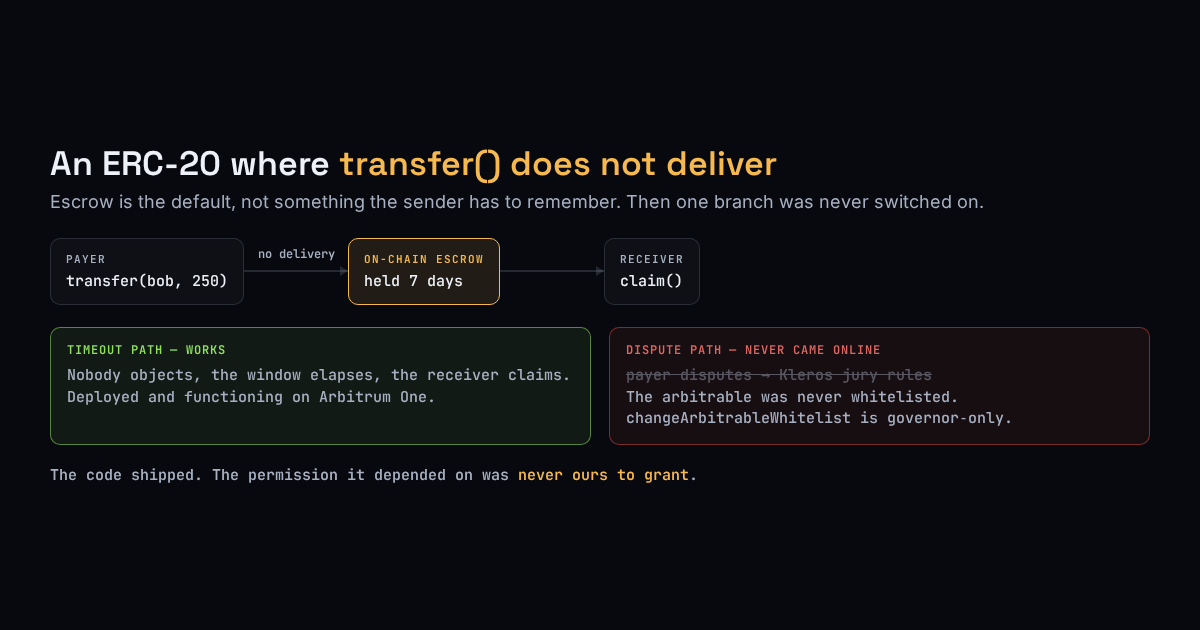
We made escrow the default behaviour of a token instead of a contract you opt into: a transfer holds for seven days before the receiver can claim it. The escrow half shipped to Arbitrum One. The dispute half never came online, because routing a case to a Kleros court needs a whitelist that is governor-only — and we never asked before building. The design, what it breaks, and the three-bucket dependency check that would have caught it.
-
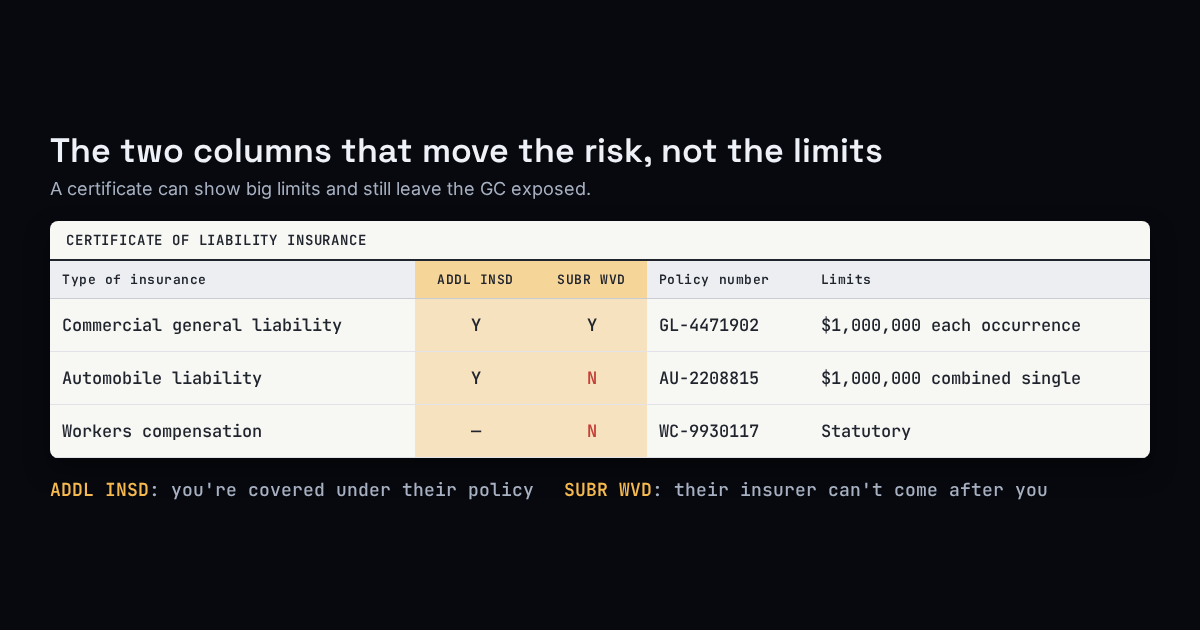
Certificate Holder vs Additional Insured
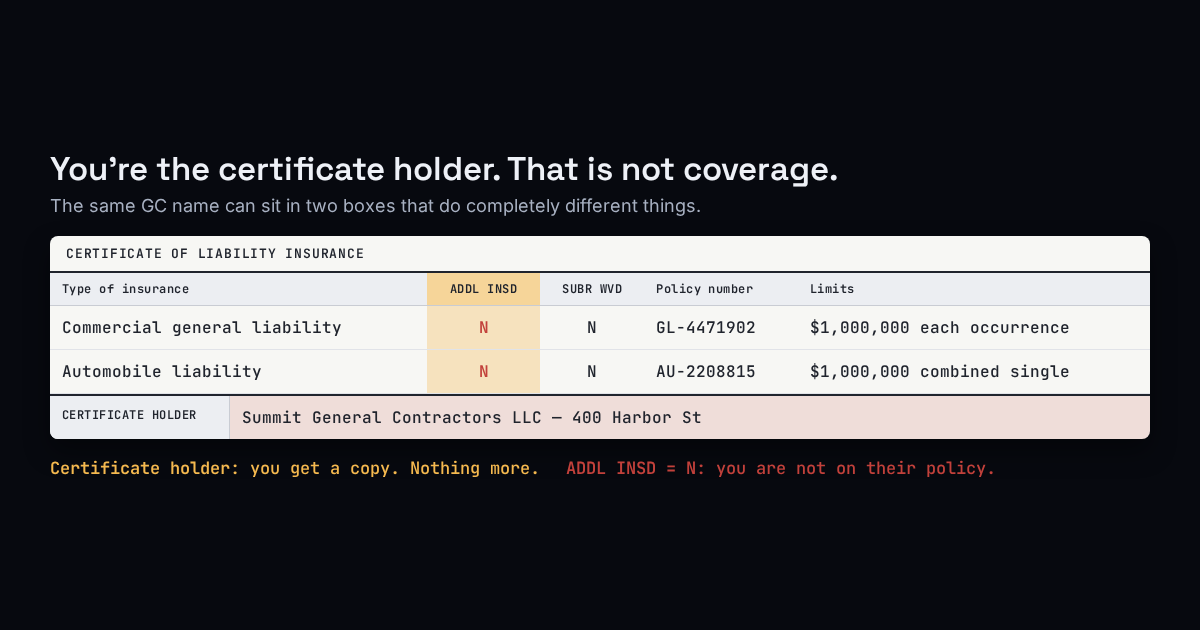
Your company’s name is on the subcontractor’s certificate, so you’re covered — right? The certificate holder box only means you got a copy. What actually puts you on their policy is a different field entirely, and how to tell them apart on the form.
-
Waiting for a Silence That Never Comes
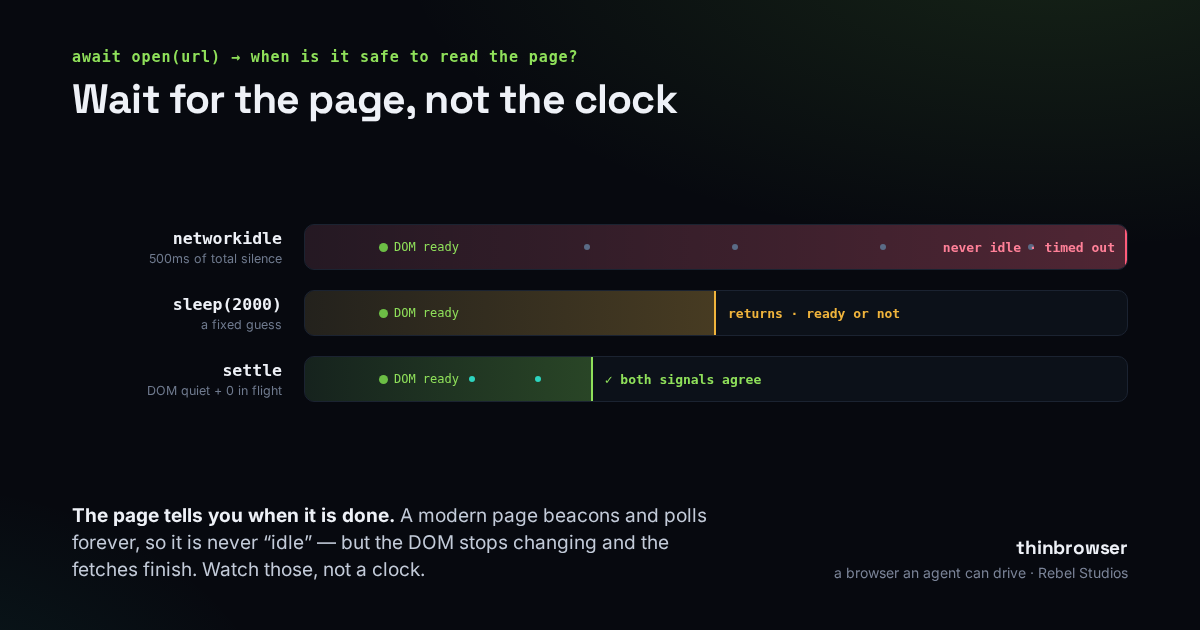
Playwright’s
networkidlewaits for 500ms of total network silence — which a page that polls, beacons analytics or holds a socket open never reaches, so it times out on every navigation. Why a fixedsleepis worse in both directions, and the two signals that tell you a page is actually ready to drive. -
Validating CPF and CNPJ Before the Order Is Placed
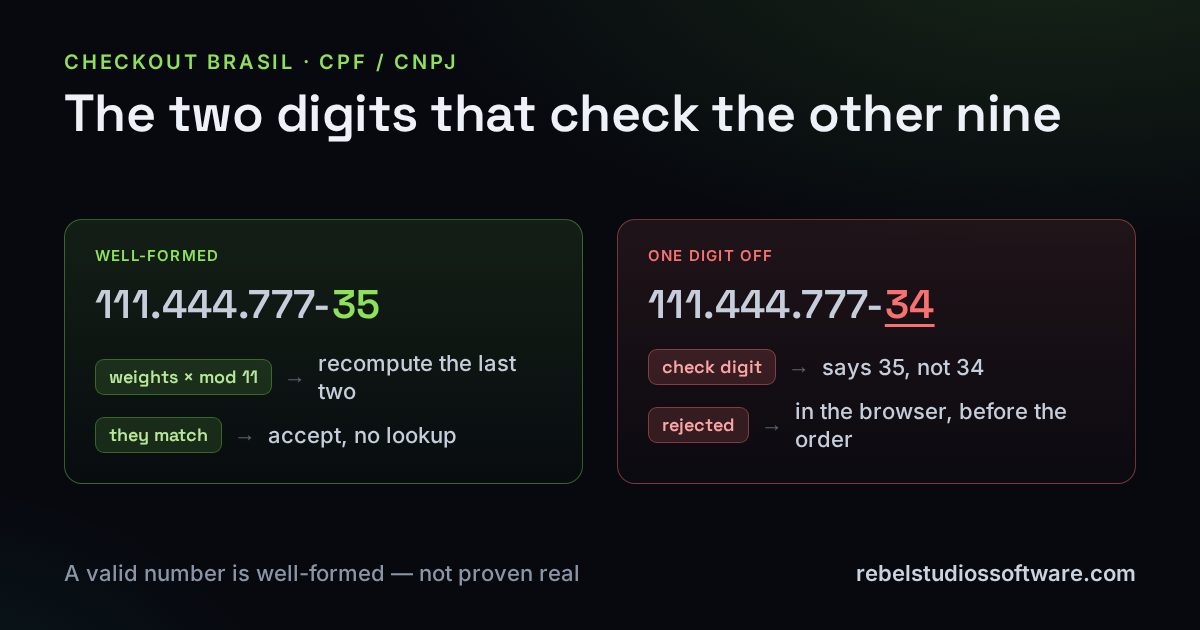
A CPF and CNPJ carry their own check digits, so most mistyped Brazilian tax IDs can be caught in the browser before checkout. The mod-11 algorithm for both, the repeated-digit number that beats it, and what a valid ID still cannot prove.
-
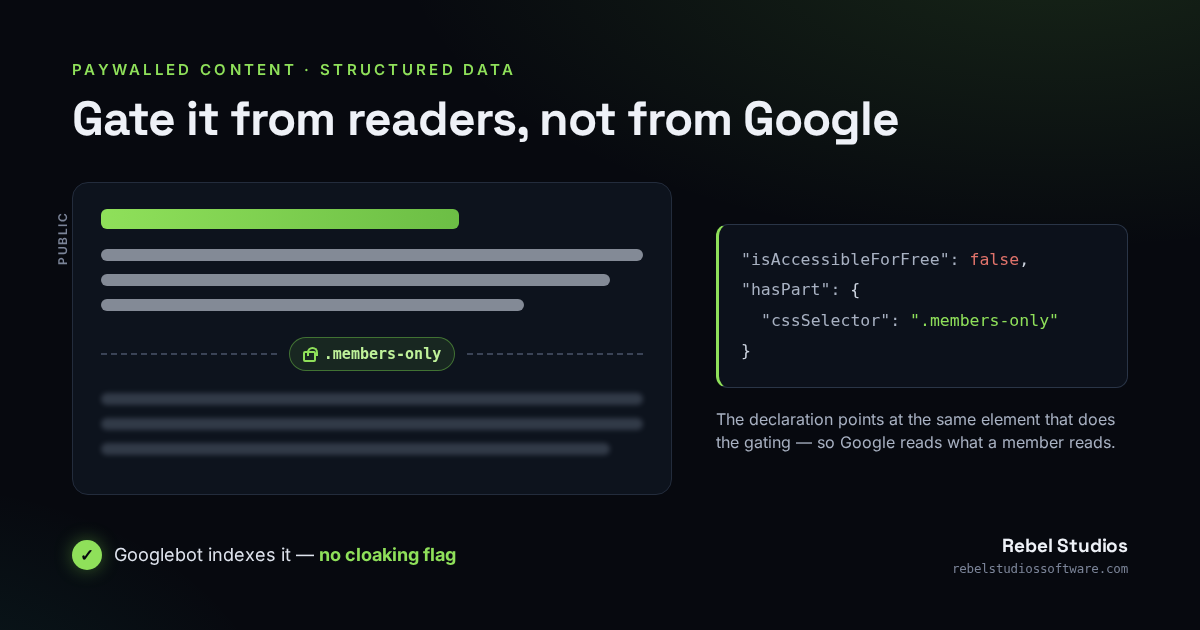
How to Paywall Content Without Disappearing From Google
Gate your best posts and their search traffic quietly collapses. Why serving Googlebot the full text is the trap that gets a site penalised, and the structured data that keeps gated pages findable.
-
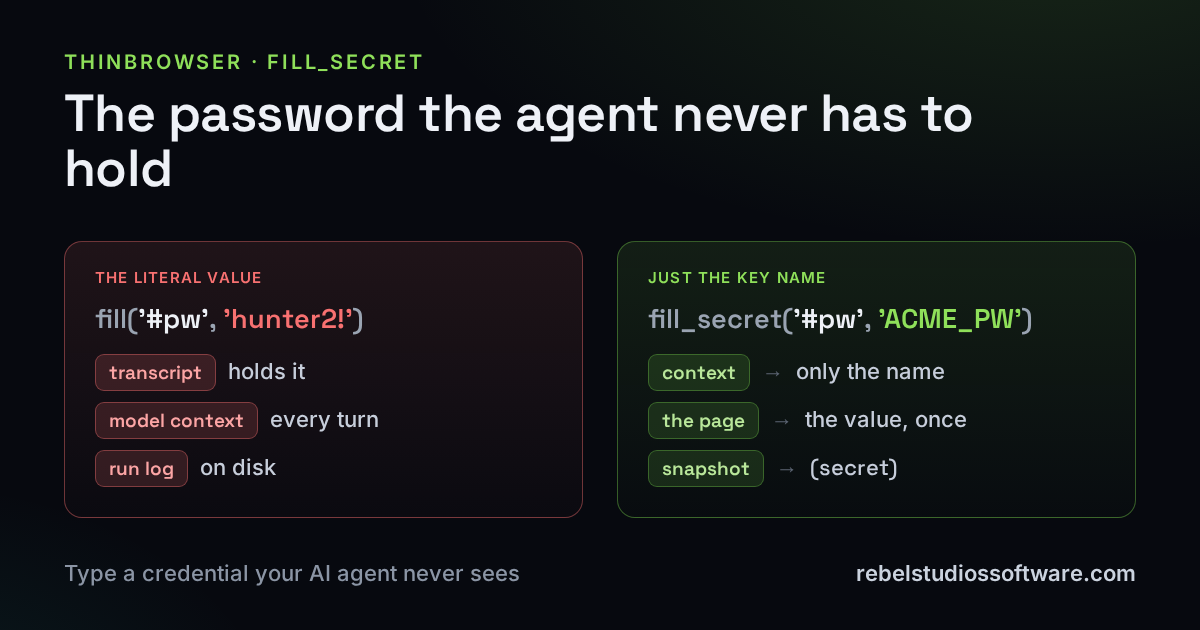
Your Agent Doesn't Need to Know the Password
An AI agent that types a password puts it in the transcript — logged, cached, sent to the model on every turn — and reads it back the moment it checks the field. Why scrubbing logs is the wrong layer, and how to hand the agent a key name instead of the secret.
-
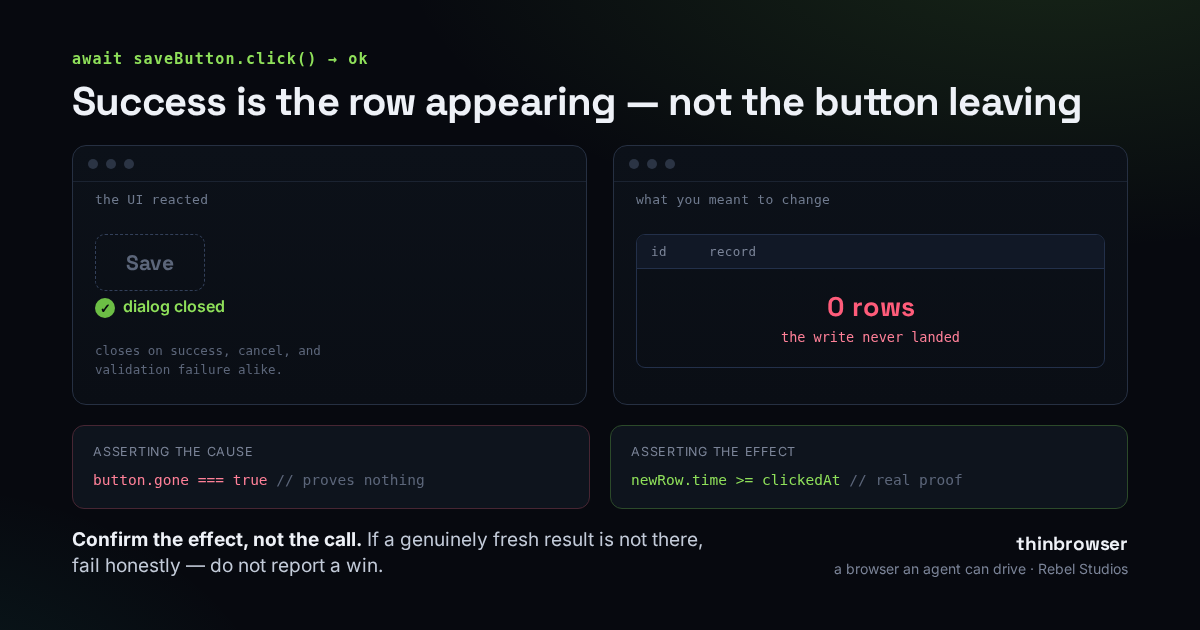
The Button Vanished. Nothing Was Saved.
Your script clicks Save, the dialog closes, the code moves on — and the row was never written. Why a click that returns success is not proof the action happened, and the one check that turns a silent failure into an honest one.
-
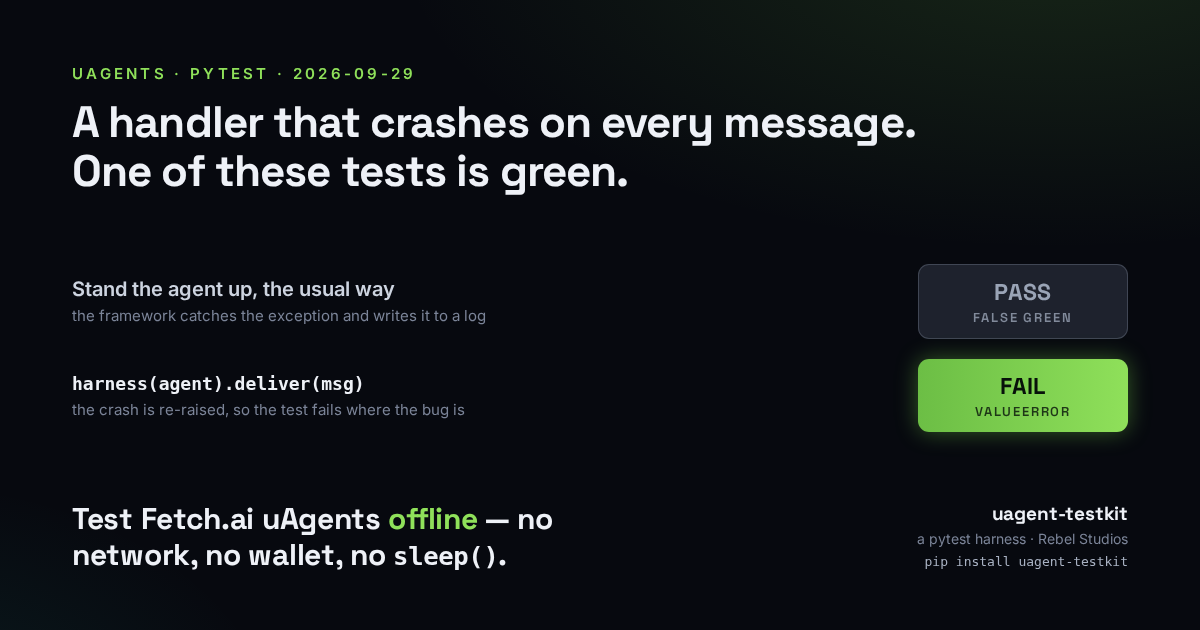
The uAgent Test That Passes While the Handler Crashes
Fetch.ai’s uAgents framework catches every handler exception and writes it to a log — so under pytest, a handler that crashes on every message still shows a green test. Why testing a uAgent is awkward, and how to test one offline: no Almanac, no wallet, no
sleep(). -
The Login You Shouldn't Try to Automate
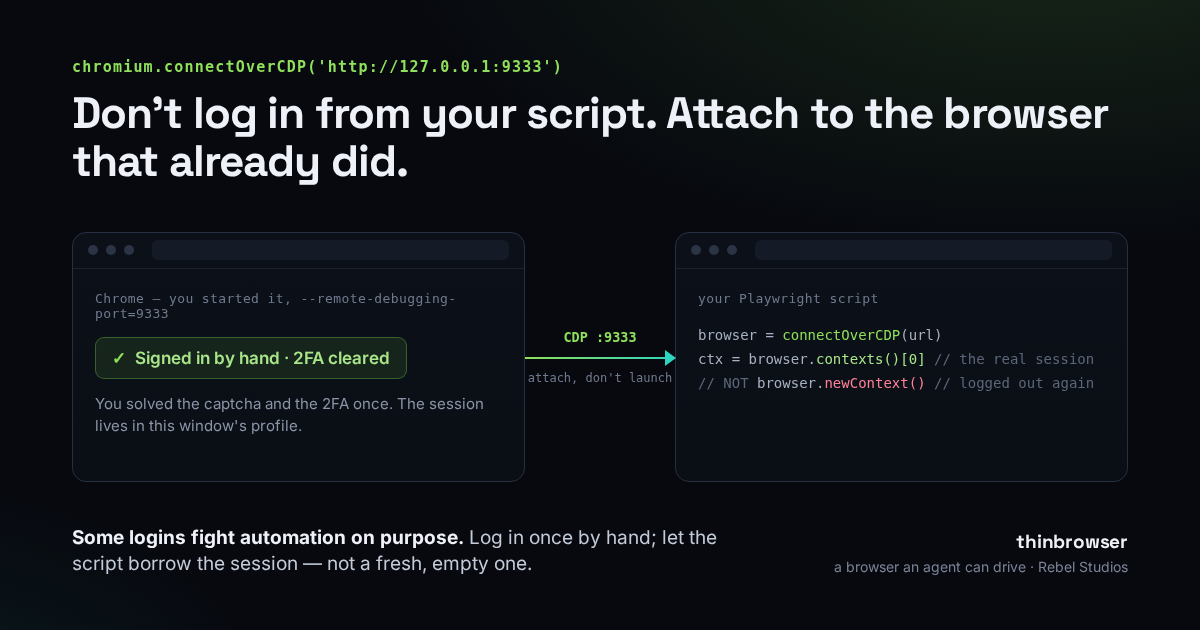
Some logins fight scripts on purpose — 2FA, a captcha, a device check. Instead of reproducing the login, log in once by hand and attach Playwright to that Chrome over CDP with connectOverCDP. The one line that logs you straight back out, and the security catch nobody mentions.
-
Printing a Whole Day's WooCommerce Invoices at Once
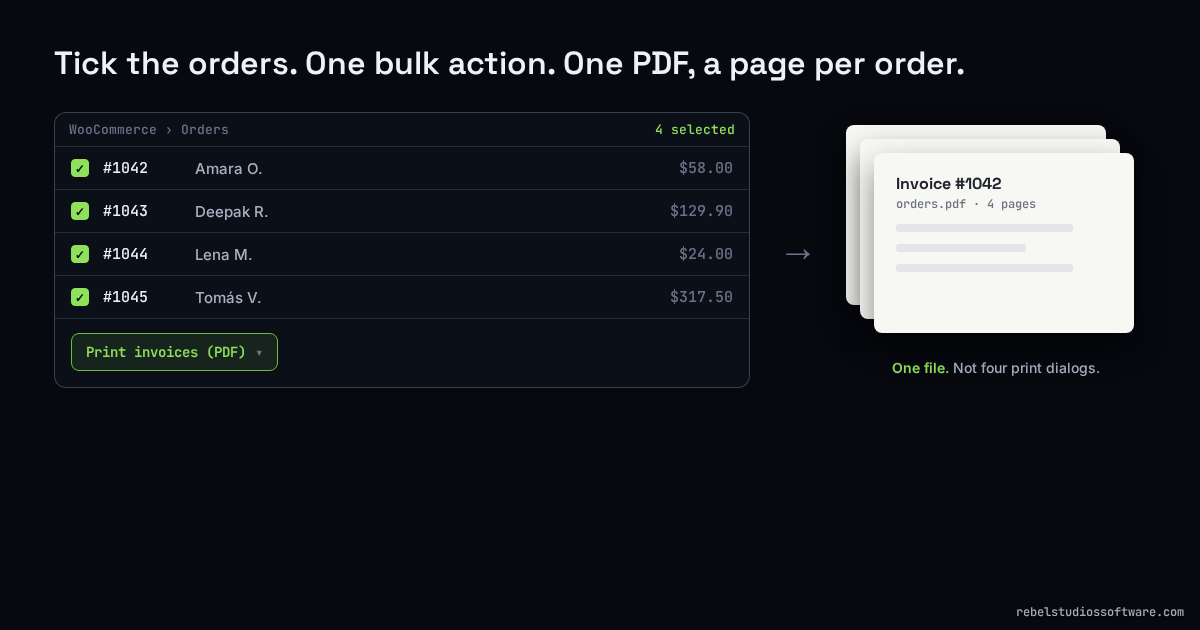
WooCommerce makes you open every order to print its invoice — there's no “print all” button, even with an invoice plugin. Why that gap exists, and the four things a real bulk-print action has to get right (including the HPOS hook that breaks half of installs).
-
The Click That Landed on the Cookie Banner
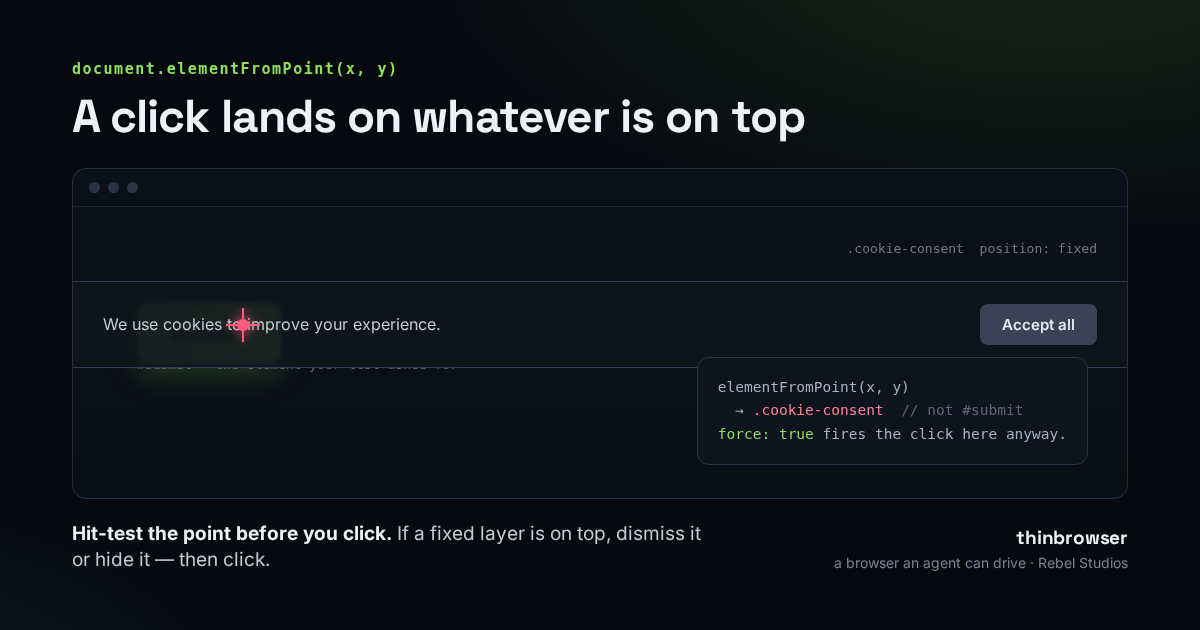
Playwright says the element isn't clickable, or the click silently hits a cookie banner and the test fails three steps later. Why it happens, why
force: truemakes it worse, and the hit-test fix that clears any overlay. -
Zora's API Returns marketCap: 0 — How to Get a Coin's Real Market Cap
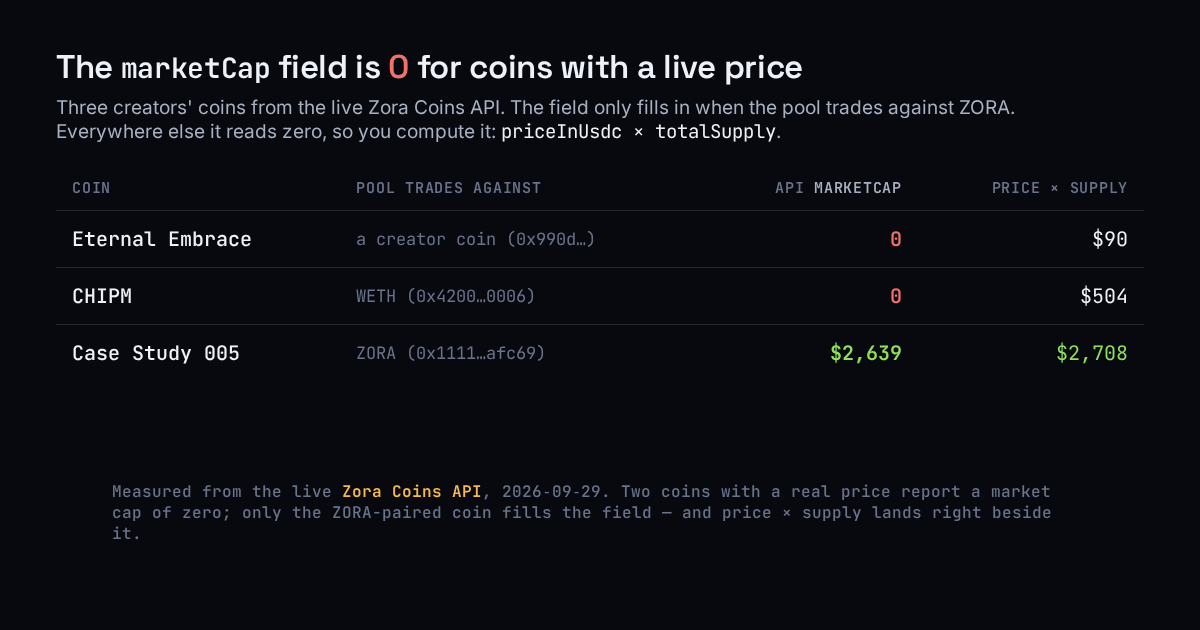
The Zora Coins API reports a market cap of zero for most coins, even ones with a live price — the field only fills when the pool trades against ZORA. Why it's blank, and the one-line derivation that gives you the real number.
-
Take Table Reservations on Your Own Site, Not the Network's
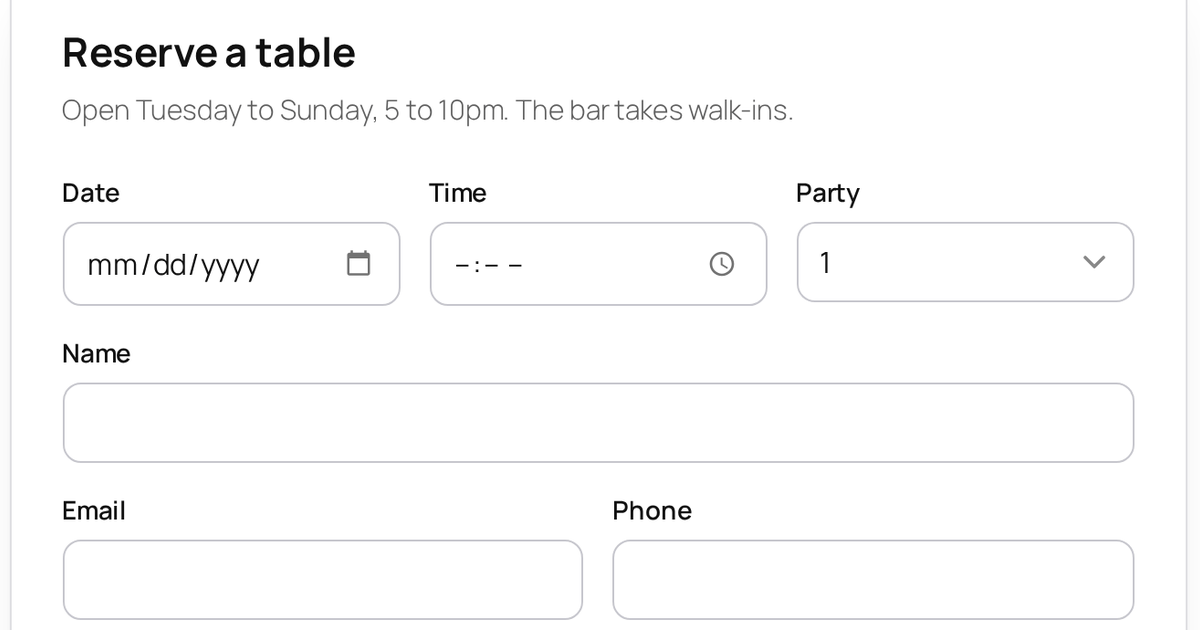
A booking network sells discovery, then charges a fee for every diner it seats — including the regular who already knew where to find you. When that trade is worth it, when it isn't, and how to run reservations and no-show deposits in WordPress.
-
An AI Agent Pays to Read the Whole Page
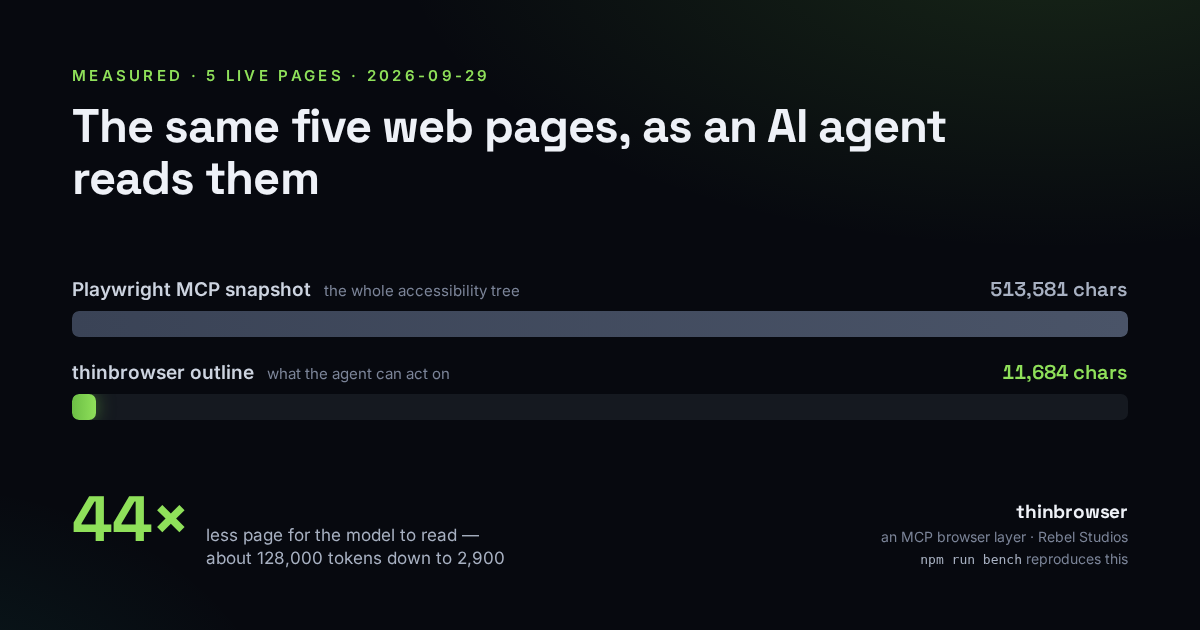
Playwright's MCP server hands a model 128,000 tokens to read five pages it has never seen — almost none of it the element it came to click. Where that cost comes from, the other ways an unseen page fights back, and how we cut the page 44× smaller.
-
WooCommerce Checkout in Brazil: What Ships Broken, and Why
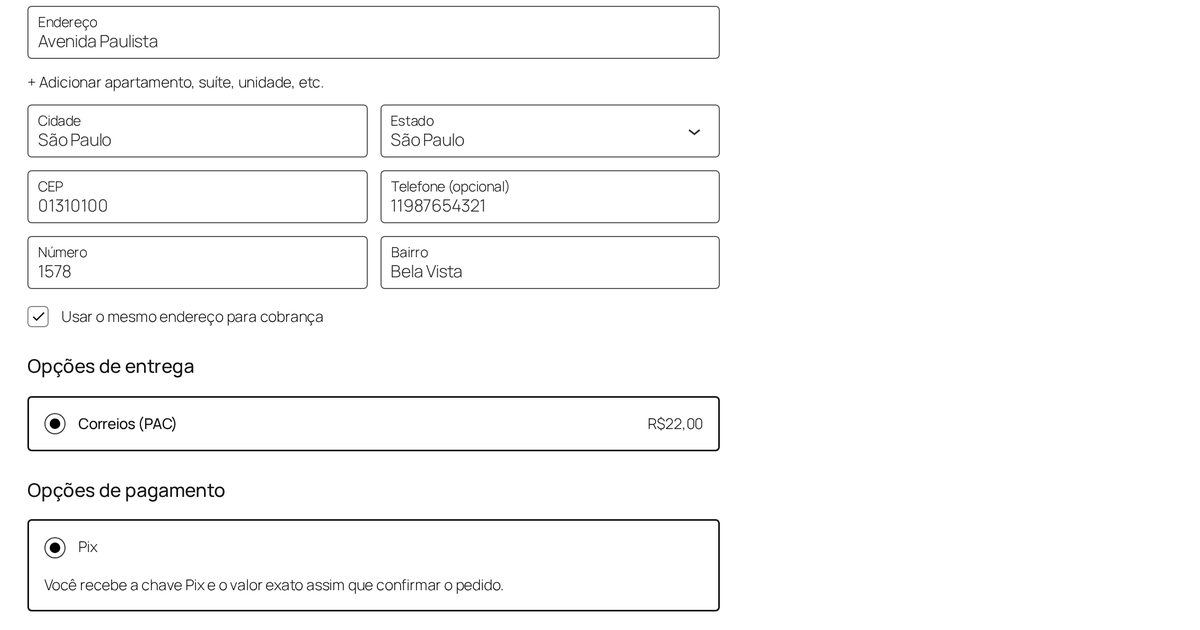
No CPF, no número or bairro, and a CEP that autofills the street but leaves the store's state wrong. What a Brazilian buyer actually needs at checkout, and the one autofill bug behind most of it.
-
The Browser Tab You Keep Open Just to Format JSON
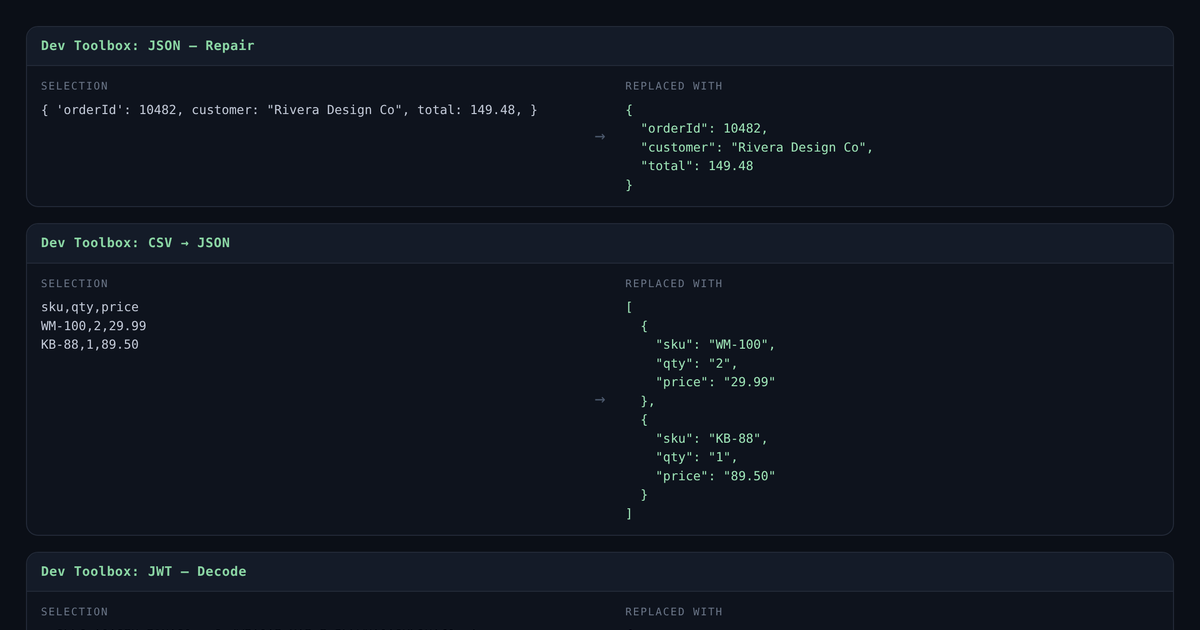
A JSON formatter, a JWT decoder, a Base64 site: the tabs you leave the editor for cost you your flow and, sometimes, a copy of your data on a stranger's server. The free ways to do each locally, and where an offline extension picks up the slack.
-
The Job Application Tracker You'll Actually Keep Updated
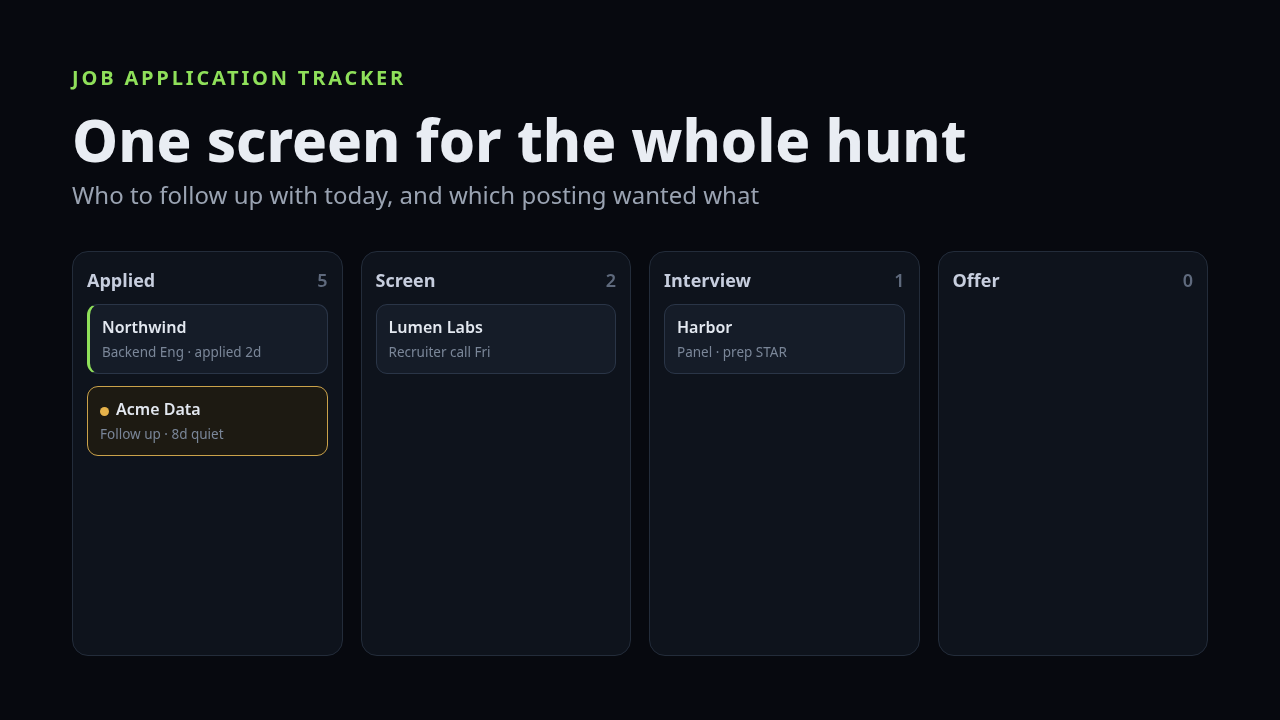
Past thirty applications you lose the thread: who to follow up with, which posting wanted what. The six fields that carry the whole hunt, and when a spreadsheet beats an app.
-
The Test Was Modelling a Game We Had Stopped Running
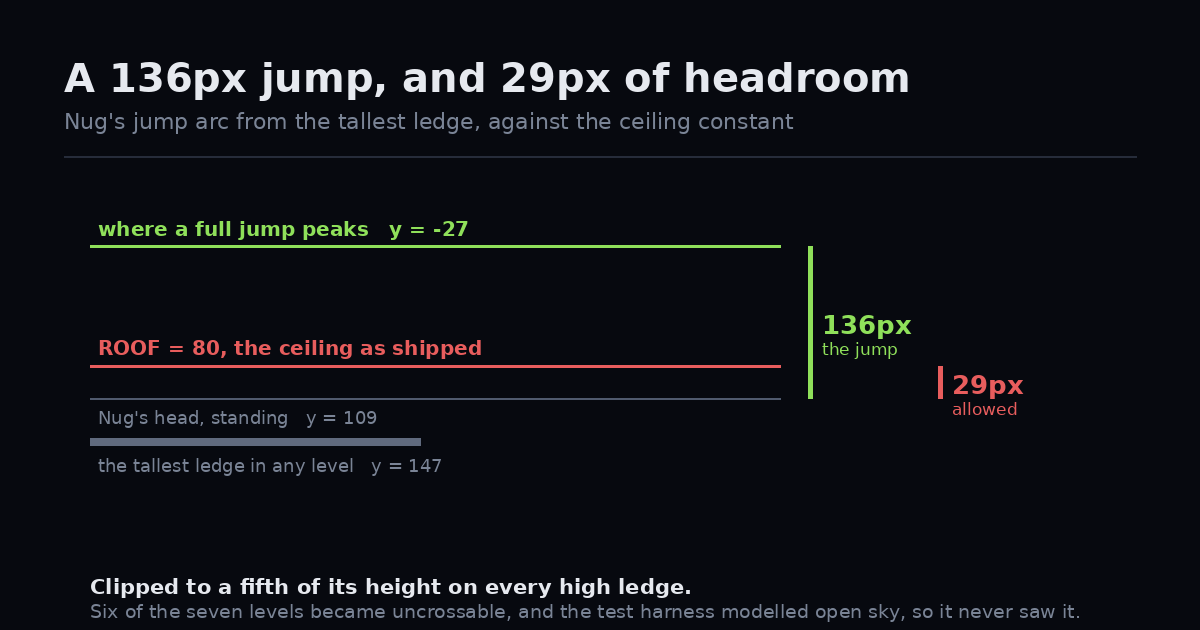
A one-line ceiling made six of seven levels uncrossable. The hard gate never saw it, because it computed jump arcs in open sky. What it costs when a test models the physics instead of reading it.
-
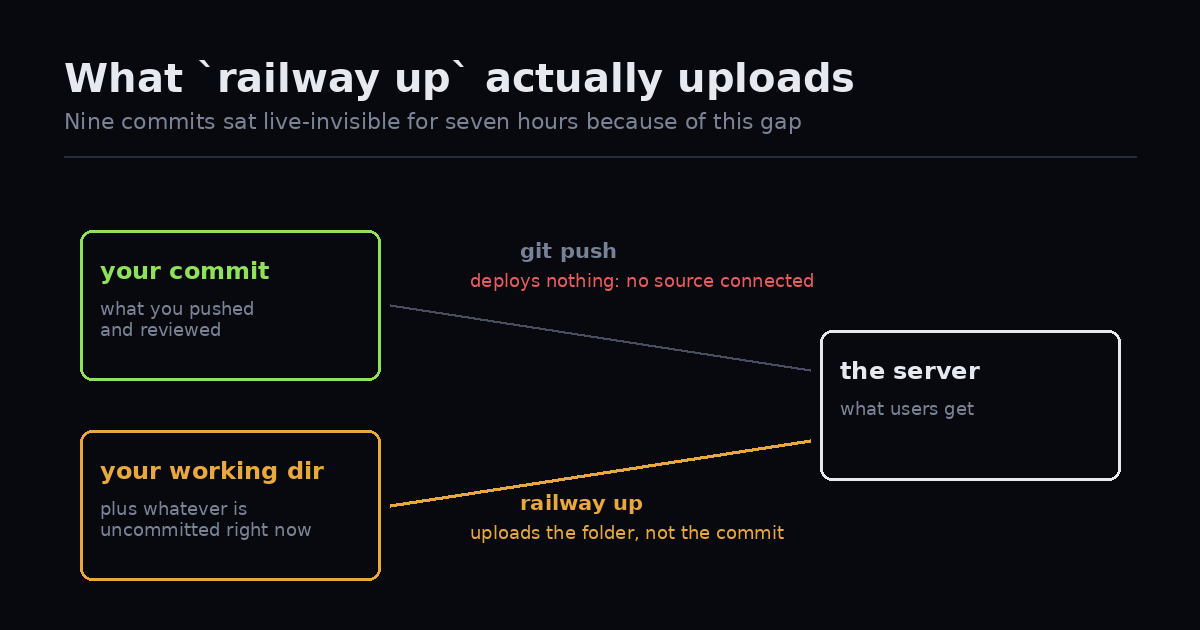
What
railway upActually UploadsNine commits sat invisible to users for seven hours while every deploy reported success. Two facts about Railway deploys worth knowing before you automate one.
-
Every Test Passed and Four Commits Were Gone
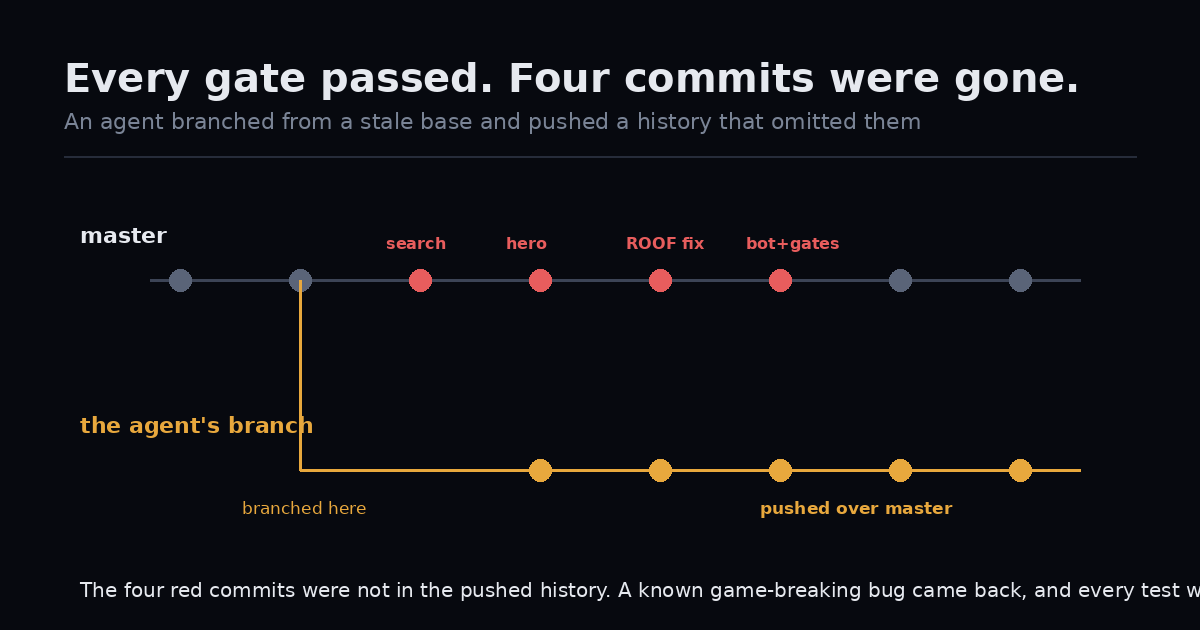
A background coding agent reintroduced a known game-breaking bug while every gate reported green. Why a stale base is worse than a merge conflict, and the one command that catches it.
-
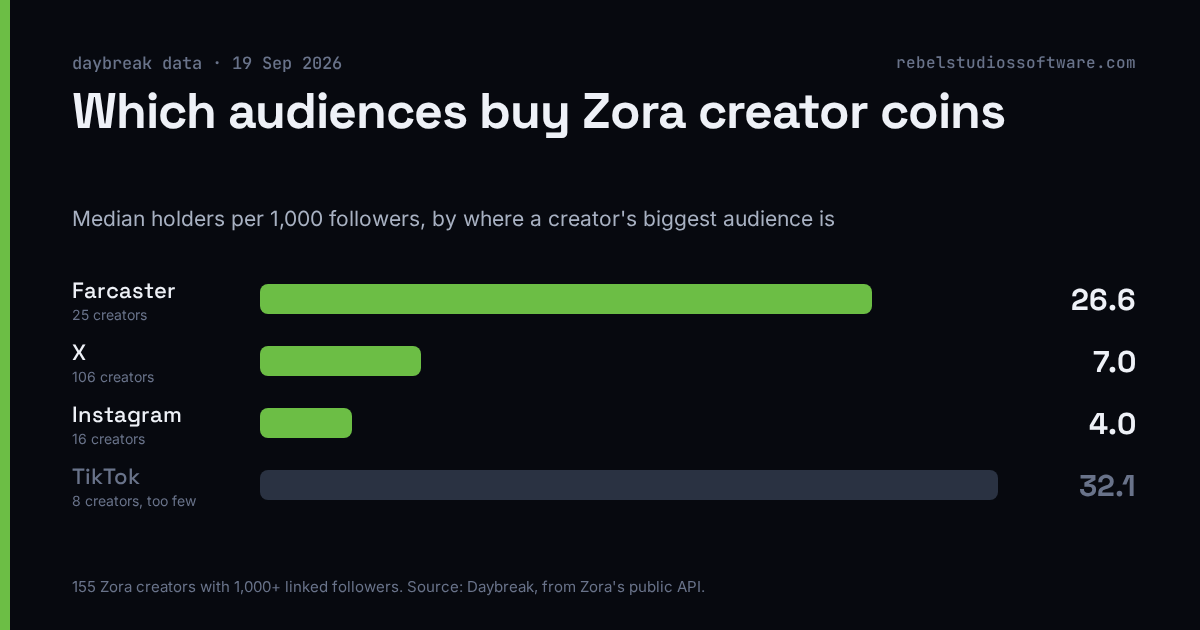
Which Audiences Actually Buy Zora Creator Coins
Across 155 Zora creators, those whose biggest audience is on Farcaster have smaller followings and five times the holders of X-led creators. What the numbers say, what they don’t, and what a creator can do with them.
-
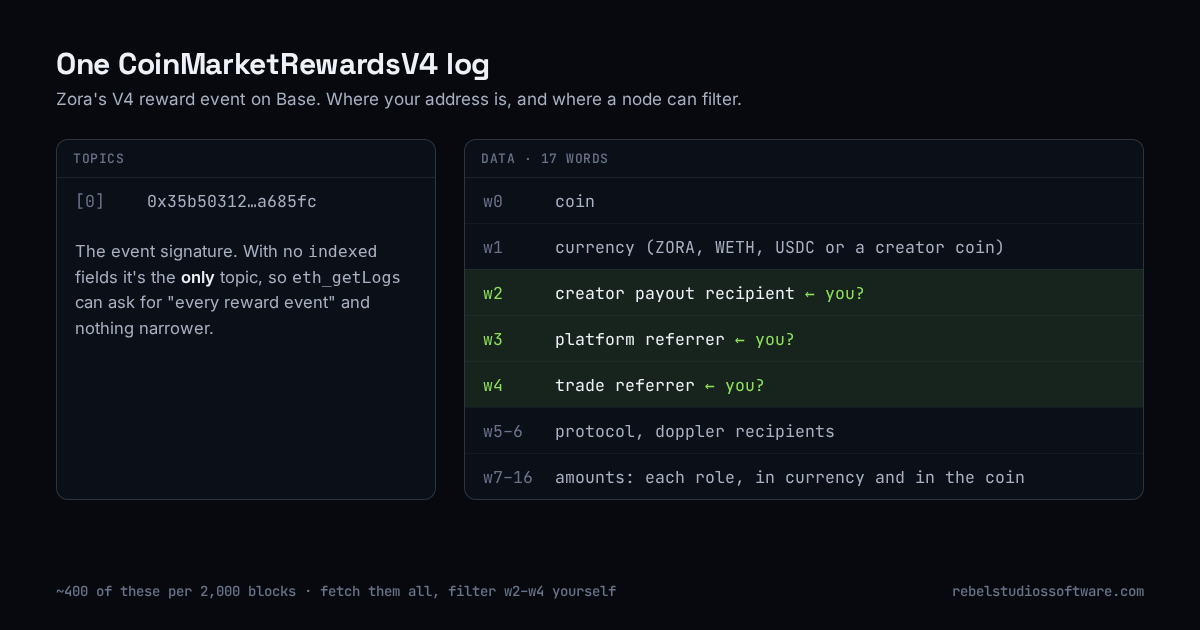
Reading Zora Creator Rewards on Base When Nothing Is Indexed
Zora’s reward event has no indexed fields, so a node can’t filter it by your address. Fetch every event, read the right words out of the data, and total your creator and referral earnings, with code that runs.
-
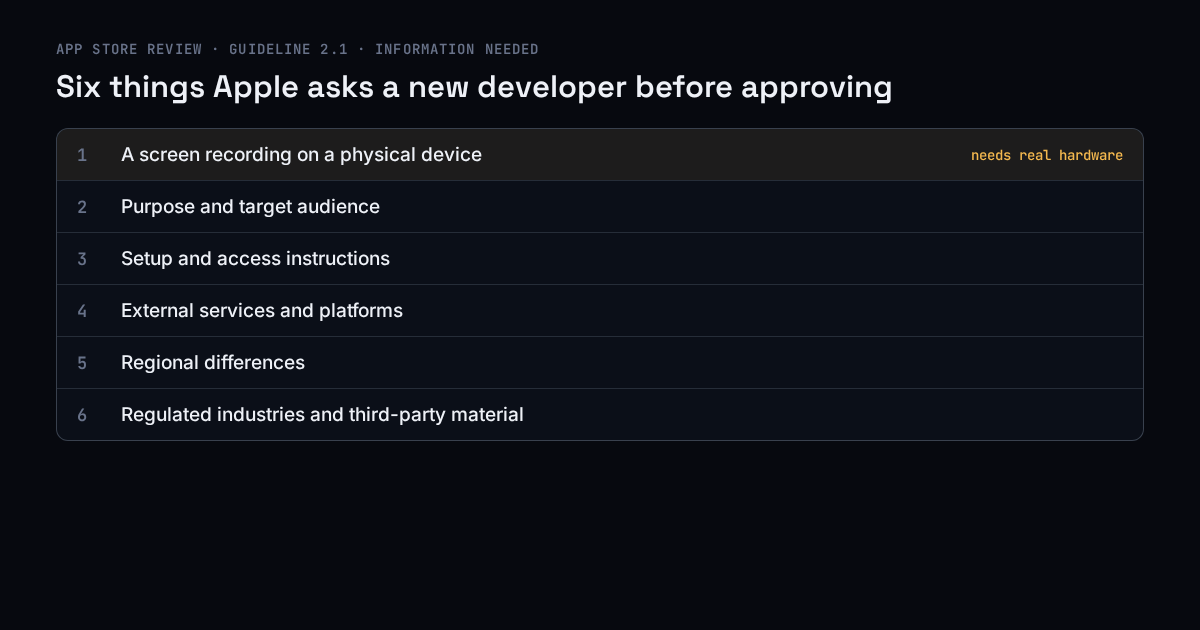
Guideline 2.1: What Apple Actually Wants From a New Developer
Apple rejects new developers with a six-item questionnaire and a demand for a recording from a real device. What each item is really asking, the empty in-app purchase list that turns your next submission into a 3.1.1 rejection, and what recording on real hardware actually costs.
-
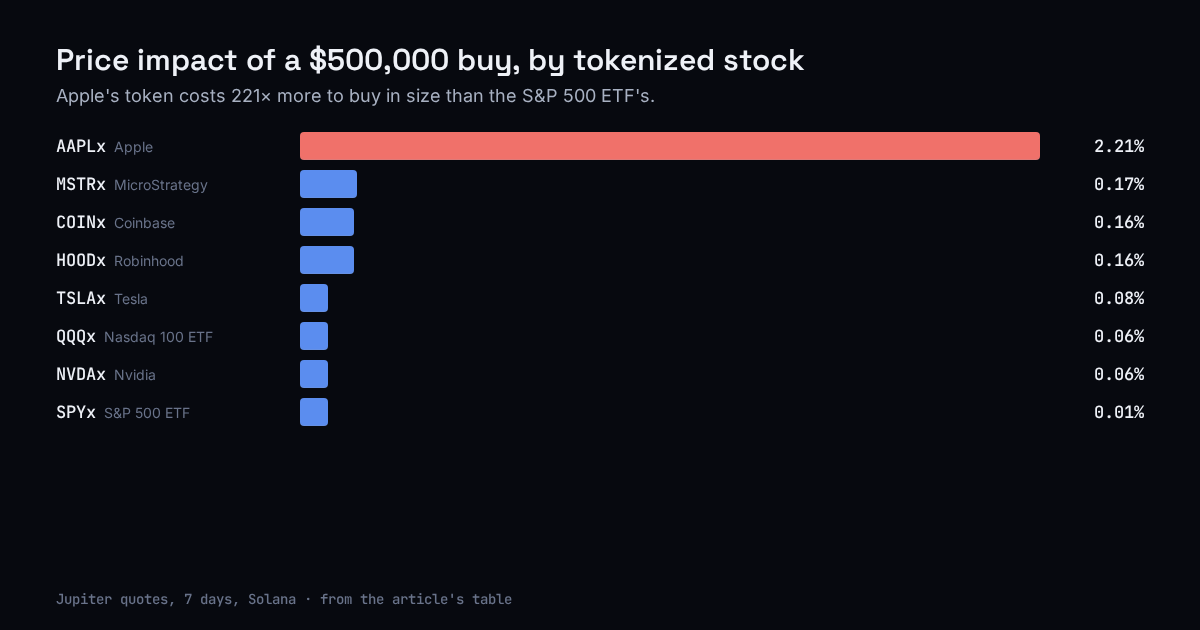
What It Actually Costs to Trade Tokenized Stocks on Solana
A $500,000 buy costs 2.21% in AAPLx and 0.01% in SPYx. Seven days of Jupiter quotes across eight tokenized stocks, and the on-chain depth turns out to have nothing to do with the real stock.
-
An Eventbrite Alternative on Your Own Site: When It Makes Sense
What the organiser fee actually buys, why per-ticket costs hurt cheap community events most, and the one-event test to run first.
-
Commission-Free Online Ordering: Taking Orders on Your Own Site
What the 15–30% actually buys, the arithmetic to run before you switch, and when the delivery platform is still the right answer.
-
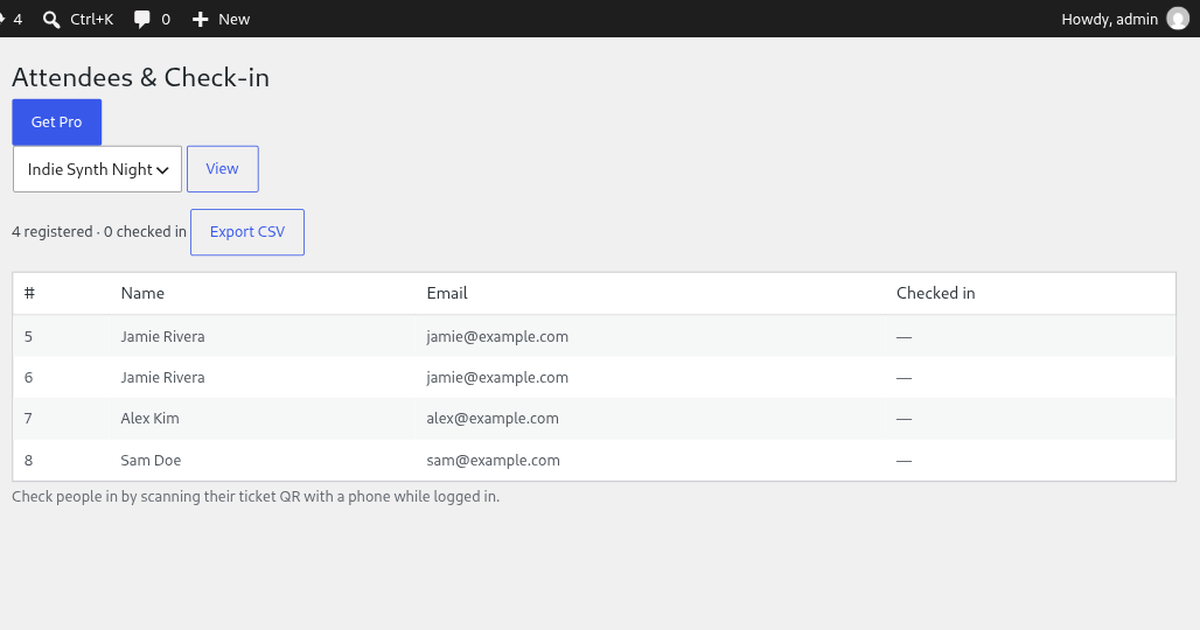
How to Sell Event Tickets on WordPress Without a Ticketing Platform
QR tickets, phone-based door check-in, and the ordering mistake that quietly breaks homemade ticketing.
-
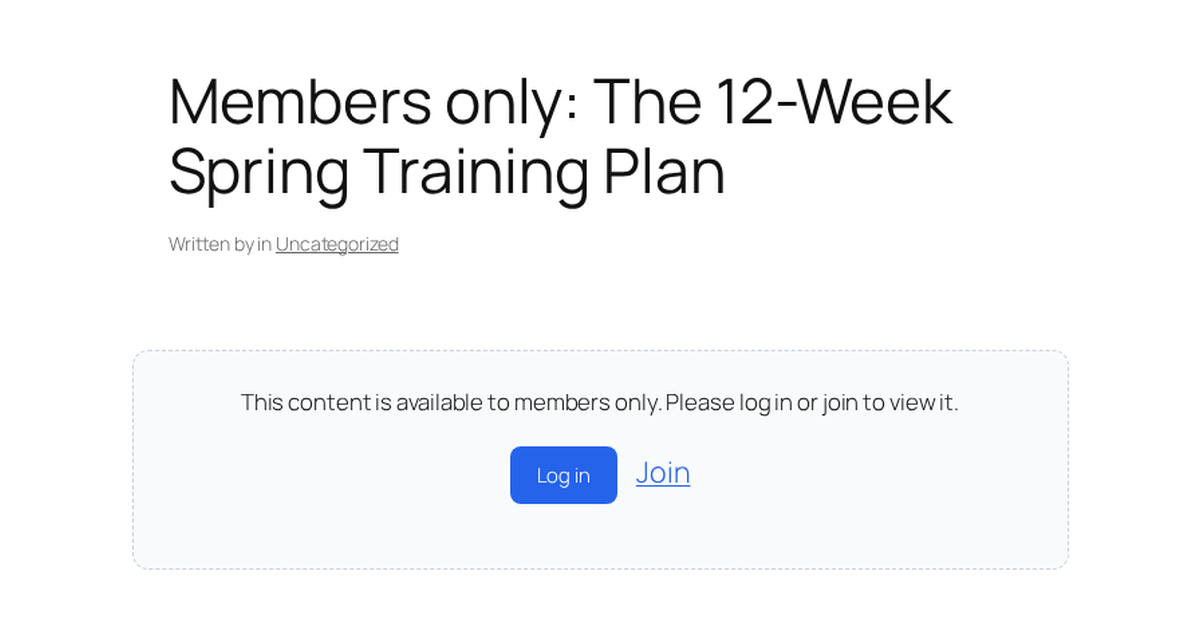
How to Restrict WordPress Content to Members (Properly)
Four levels of access, why WordPress roles are the wrong tool, and what should happen when a membership lapses.
-
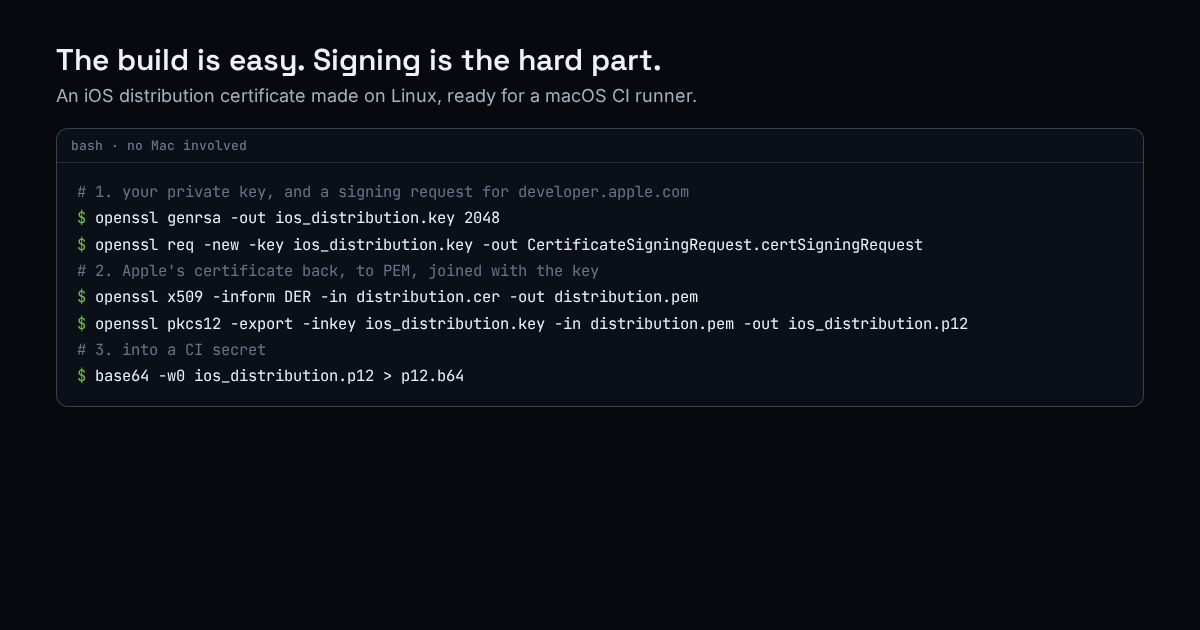
Build and Ship an Objective-C iOS App Without a Mac
Codemagic or a git-hosted macOS runner, plus the OpenSSL trick for generating the signing request without Keychain Access.
-
How to Get Your Resume Past an ATS
What Applicant Tracking Systems really do, the two real reasons resumes fail, and the mechanical fixes that work.
-
ATS-Friendly Resume Format: What Actually Parses
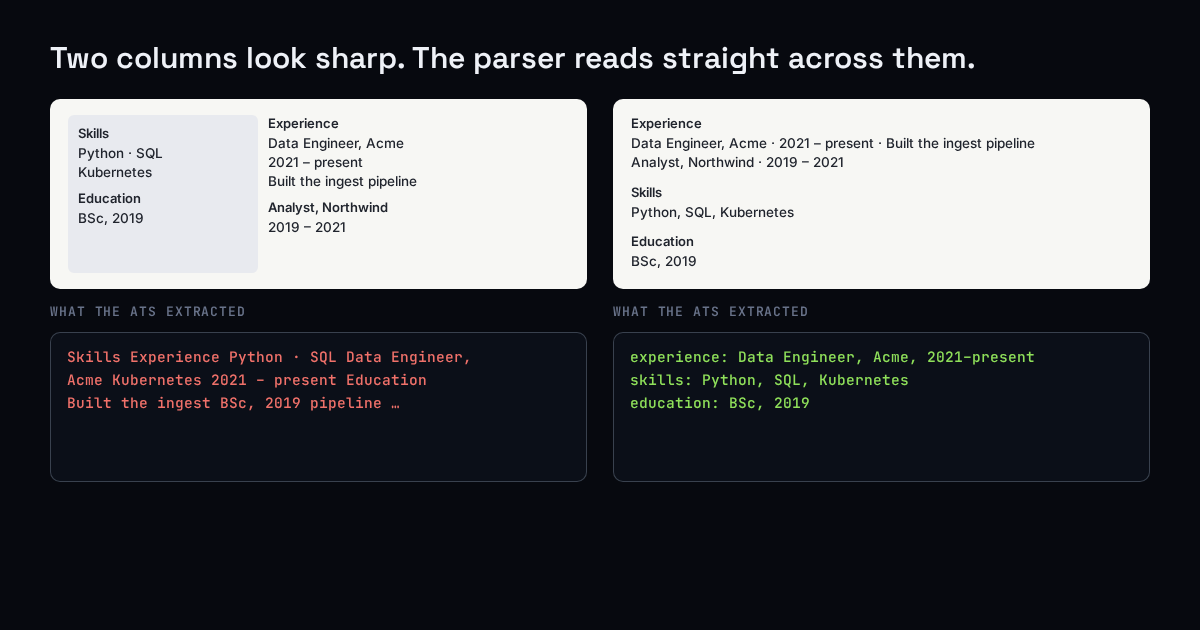
File type, columns, fonts and headings: the layout choices that decide whether an ATS can read your resume at all.
-
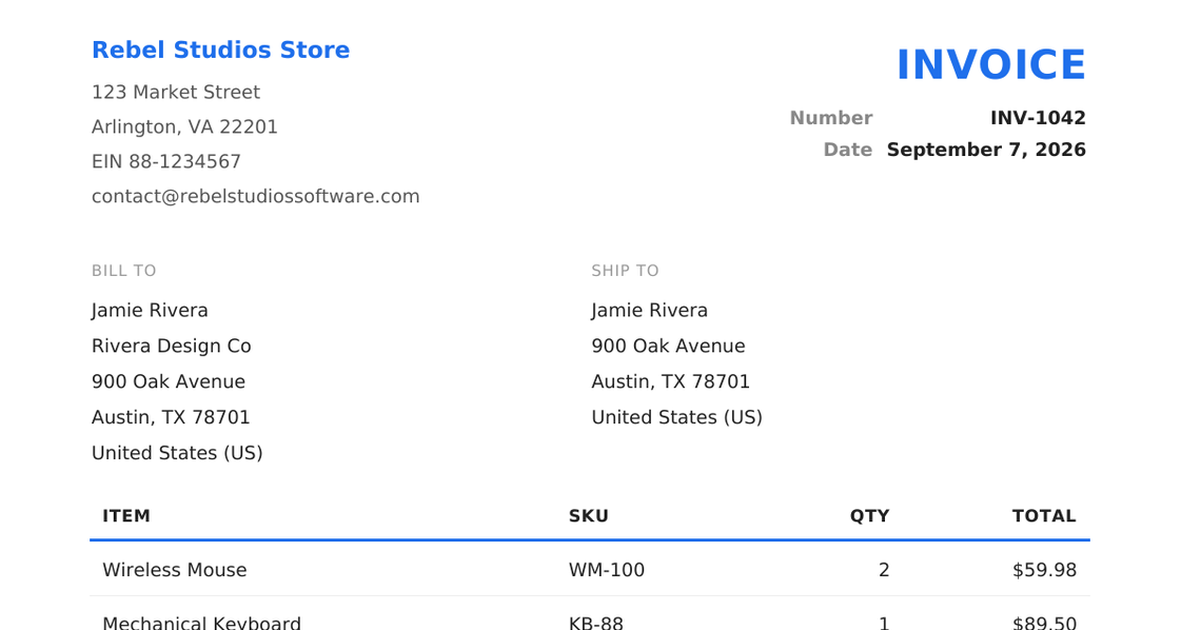
Show VAT, GST or Sales Tax on WooCommerce Invoices
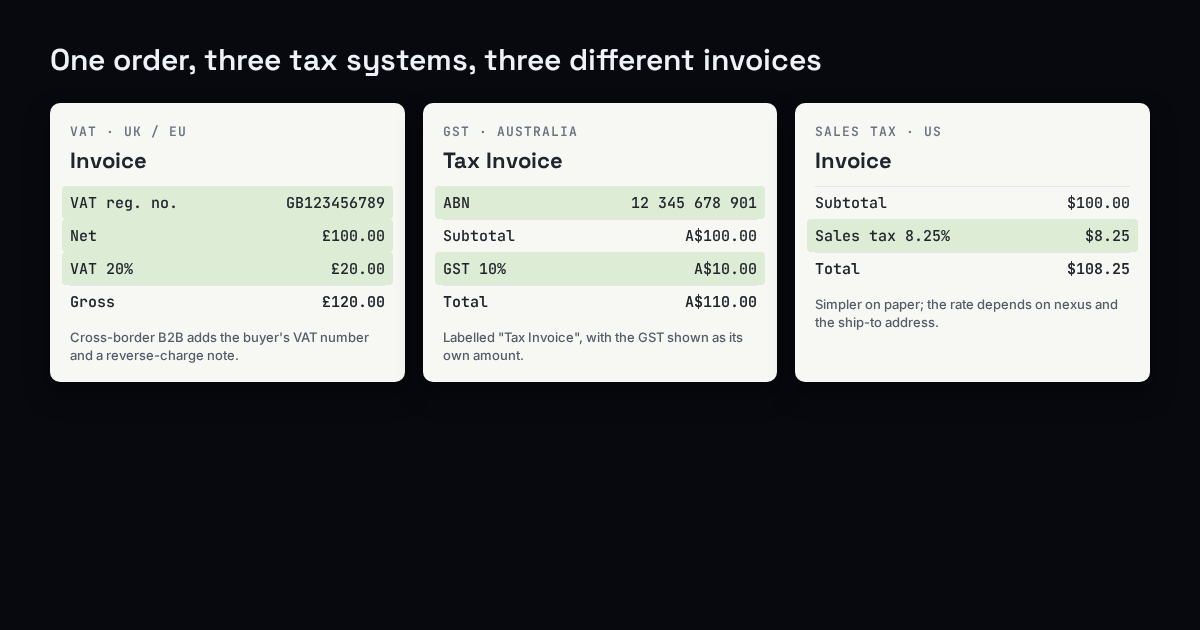
Getting the right tax breakdown onto the PDF: VAT for the EU/UK, GST for Australia/India, sales tax for the US.
-
WooCommerce Sequential Invoice Numbers
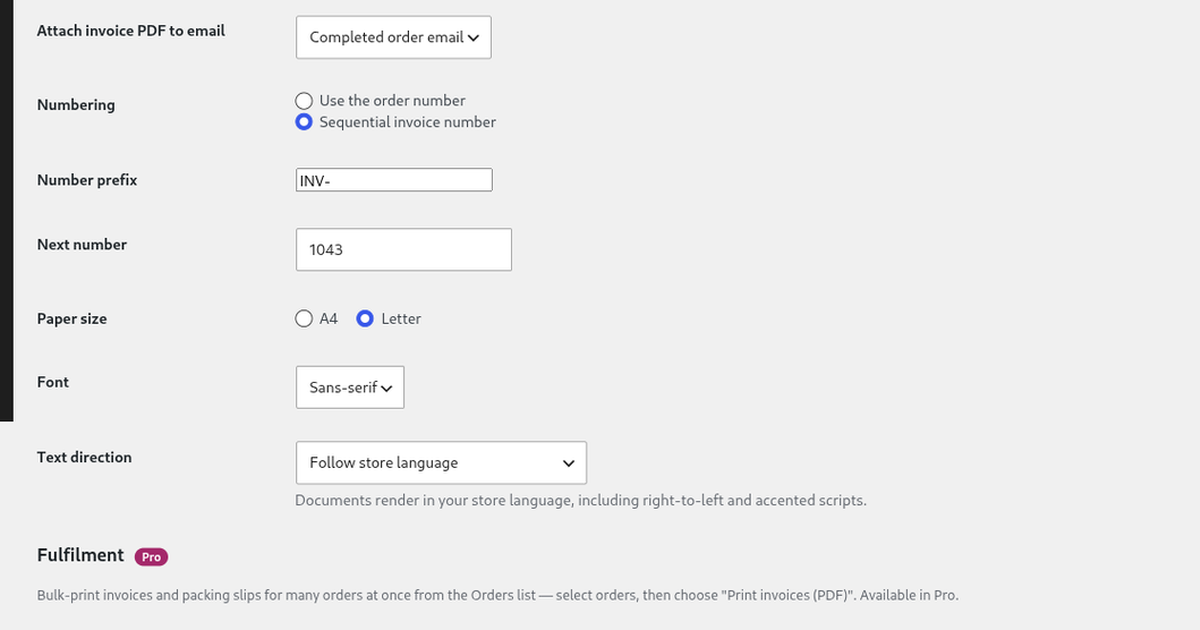
Why order numbers aren’t valid invoice numbers in many countries, and how gap-free sequential numbering works.
-
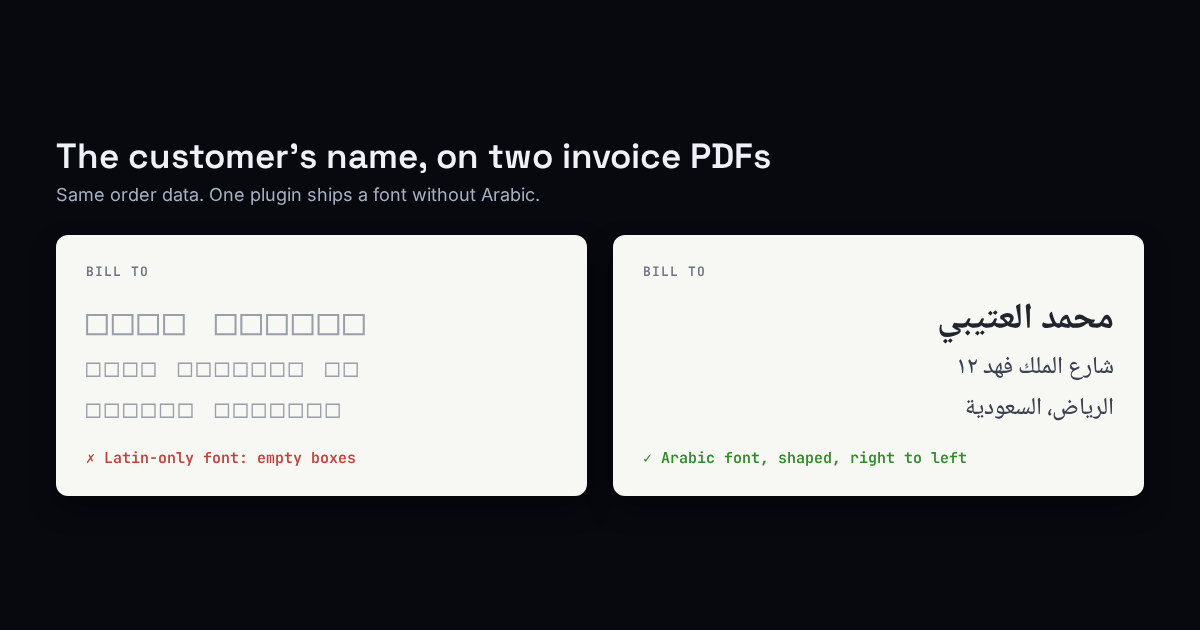
WooCommerce Invoice Not Rendering Arabic / RTL Text?
Why non-Latin and right-to-left fonts come out as empty boxes in invoice PDFs, and the real fix.
-
Attach a PDF Invoice to WooCommerce Order Emails (Free)
Send the invoice automatically with the order email: which email to use, no code, and the numbering gotchas.
-
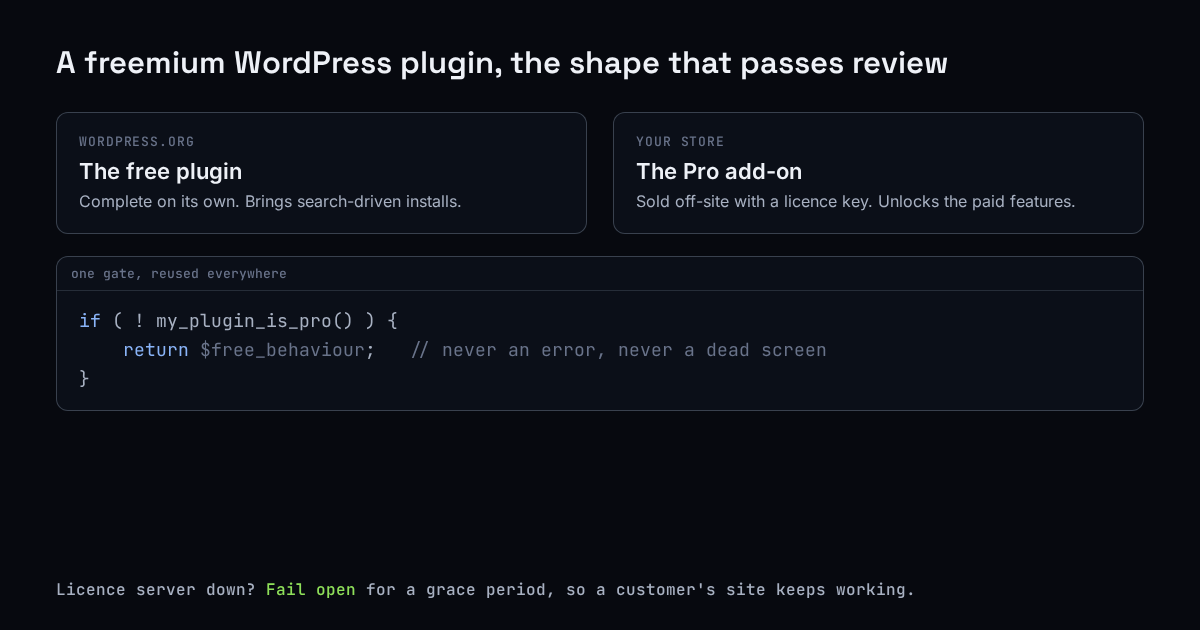
How to Build a Freemium WordPress Plugin
The wp.org-compliant free/Pro architecture, a reusable license gate, and how to actually sell the Pro version.
-
How to Add a Pro License to a WordPress Plugin
Add a paid Pro tier without breaking WordPress.org's rules: where the license check lives, how to verify a key, and how to fail open on a grace period so a customer's site never goes dark.
-
How to Test a Regular Expression (Without Hanging Your Server)
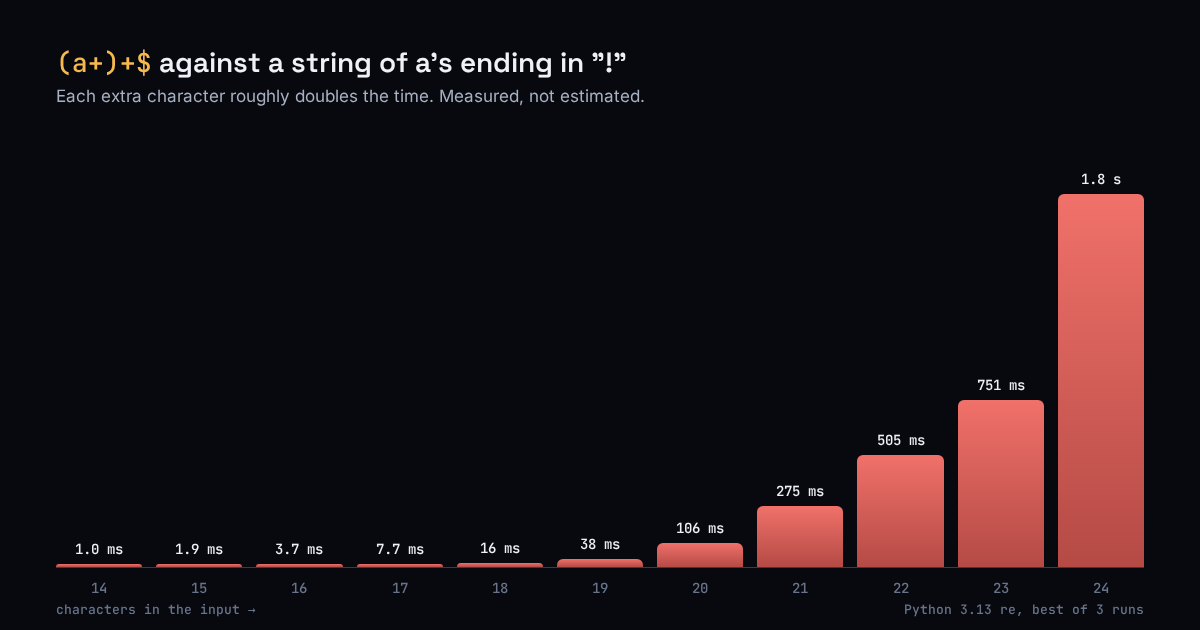
The free ways to test a regex, the edge cases that actually break patterns, and catastrophic backtracking, the failure mode that turns a one-line pattern into an outage.
-
How to Build an iOS App Without a Mac
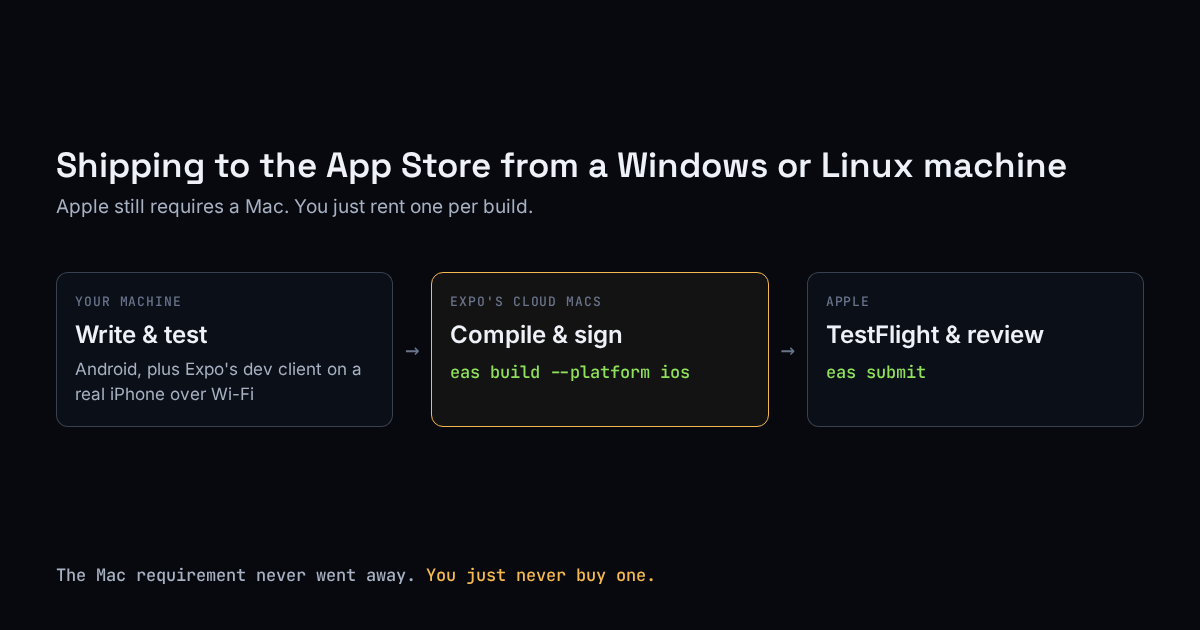
The long way round: Kotlin, then C#, then React Native and Expo, and how to build, sign, and ship an iOS app to the App Store without owning a single Apple device.
-
How to Decode a JWT (and Why You Shouldn’t Paste It Into Just Any Site)
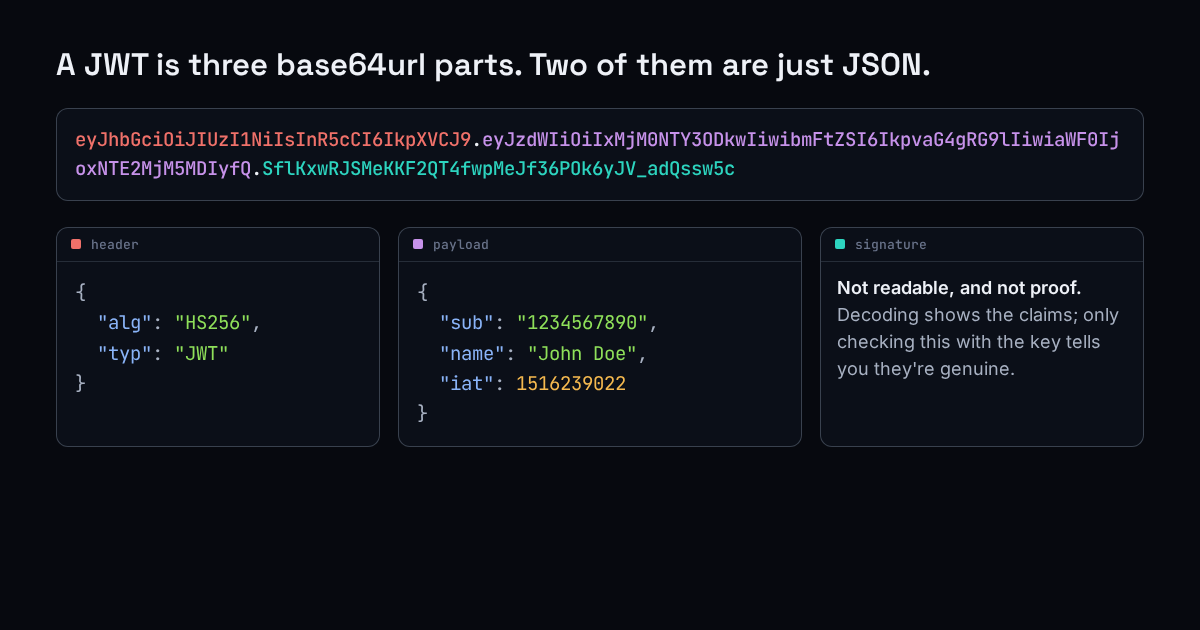
Read a token’s header and payload, what the claims mean, why decoding isn’t verifying, and the security reason not to paste a live token into a random decoder.
-
Legacy Hardware
A thirty-year veteran watches AI execute in four seconds what took a career to master, and feels obsolete. Why that machine metaphor is seductive, and exactly where it breaks.
-
The Remote Economy Is Just Alone With Wi-Fi
The digital-nomad life looks like beaches. Behind the laptop it’s solitary survival: your funnel is a fish basket, marketing is casting into empty water, and the helicopter is always on standby.
-
Recursive Prompting: When a Prompt Works on Its Own Output
A loop repeats a prompt. Recursion feeds a prompt its own output: refine, decompose, converge. What it is, why it beats a loop, and how to do it in Claude.
-
Who Pays for the Internet’s Plumbing?
The internet runs on open-source maintained by a handful of unpaid volunteers, and AI just made the bill come due. The free-rider problem at the root of modern software.
-
Proof Is the New Scarcity
AI made content infinite and nearly free, which flips what’s valuable from generation to proof: that a human made it, that a source is real, that a payment happened.
-
AI Agents Should Have Their Own Money
We gave AI agents the ability to think, plan, and code, then forgot to give them a way to pay. Why autonomous agents need their own wallets, and what breaks when they don’t.
-
Ship the Code You Don’t Fully Understand
The old rule was never ship code you can’t explain line by line. AI broke it. Here’s when shipping code you don’t fully understand is fine, and the exact line where it isn’t.
-
Stop Using AI as an Excuse Not to Hire Juniors
“Why hire a junior when AI writes the code?” is the most expensive short-term thinking in tech. Where senior engineers actually come from, and what happens to teams that stop growing their own.
-
Dark Mode Is Objectively Correct
Yes, objectively. A mostly-tongue-in-cheek defense of dark mode, and what the fight over it reveals about actually building software for humans.
-
How to Remove EXIF Metadata (GPS & Camera Info) From a Photo
Your photos carry hidden GPS coordinates and camera data. Why it’s a privacy risk, the free ways to strip it, and a $1 one-click cleaner.
-
How to Combine Photos into a Single Clean PDF
Turn a stack of page photos into one real PDF: the free routes, their limits, and a $1 clean multi-page builder.
-
How to Compress a Video Under a Size Limit for Upload
Why videos are huge, what actually shrinks them (bitrate, resolution, codec), and a $1 tool that hits a target size.
-
Will My Upload Pass? Check Requirements Before You Submit
How upload validators check files, a 30-second pre-flight checklist, and a $1 tool that tells you before you upload.
-
How to Remove a Photo Background Without a Design Suite
The free phone and desktop ways to cut out a background, when they fall short, and a $1 one-click transparent PNG.
-
ATS Resume Keywords: Why Your Resume Gets Auto-Rejected
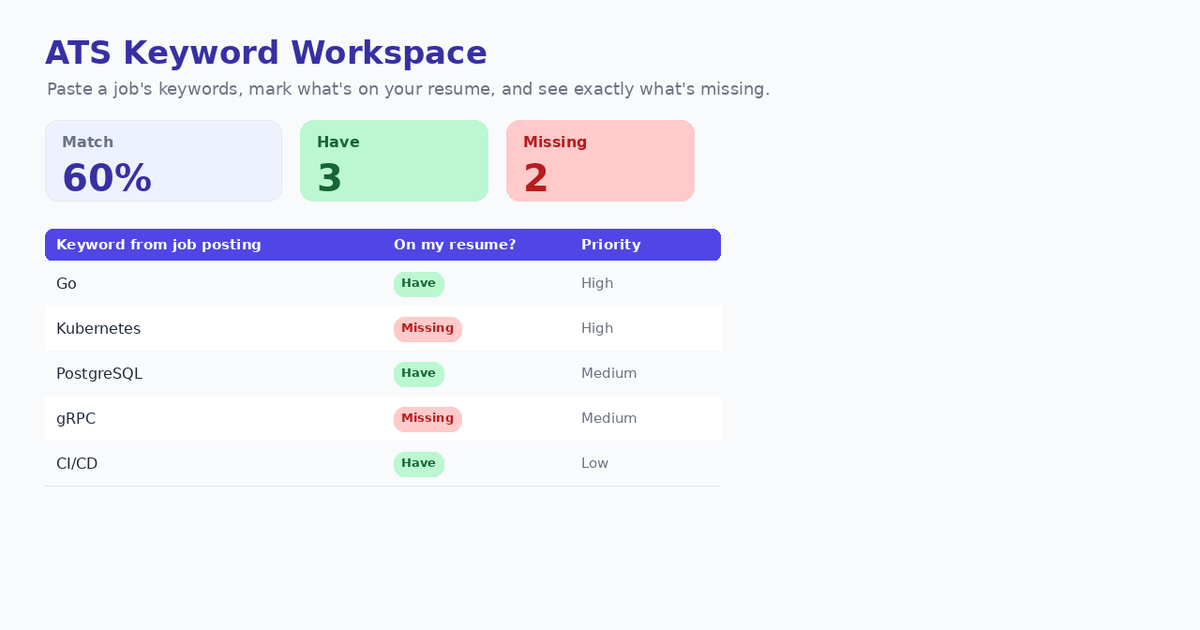
Why applicant tracking systems reject resumes before a human looks, the formatting and keyword fixes that get you through, and a $1 ATS check.
-
Passport Photo Size & Requirements: Why Yours Keeps Getting Rejected
The real size, dimension, background, and format rules for ID photos, the free fixes, and a $1 tool that hits the exact spec.
-
How to Convert CSV to JSON (and Back) Without Fighting a Spreadsheet
The free script, the gotchas that break naive converters, and a clean $1 tool for CSV↔JSON in both directions.
-
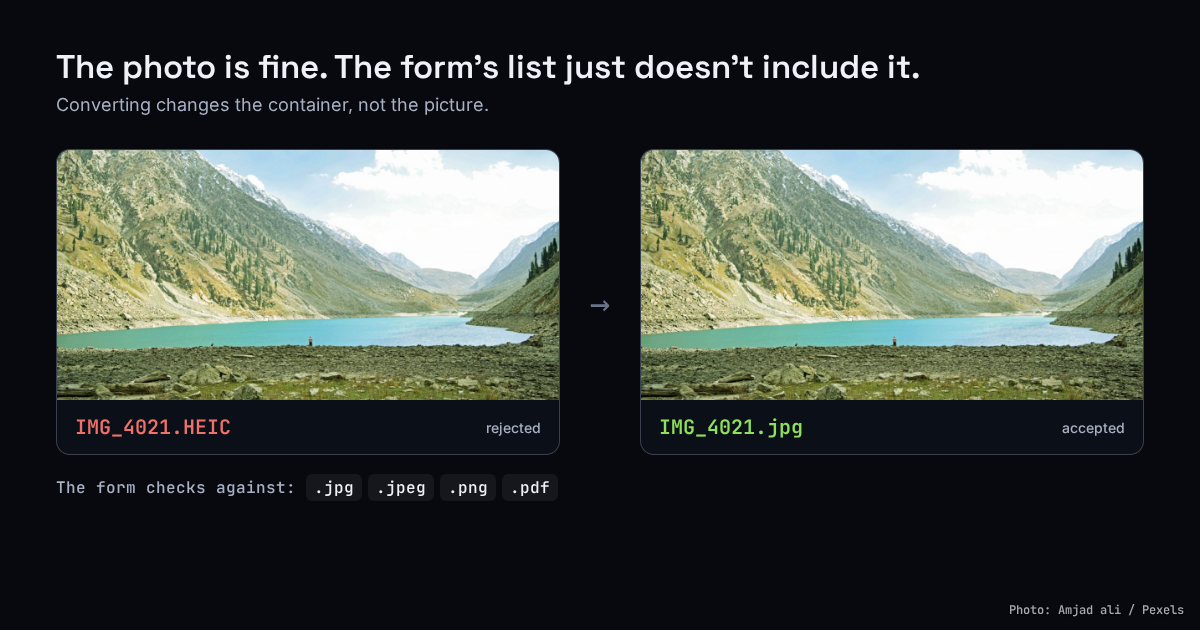
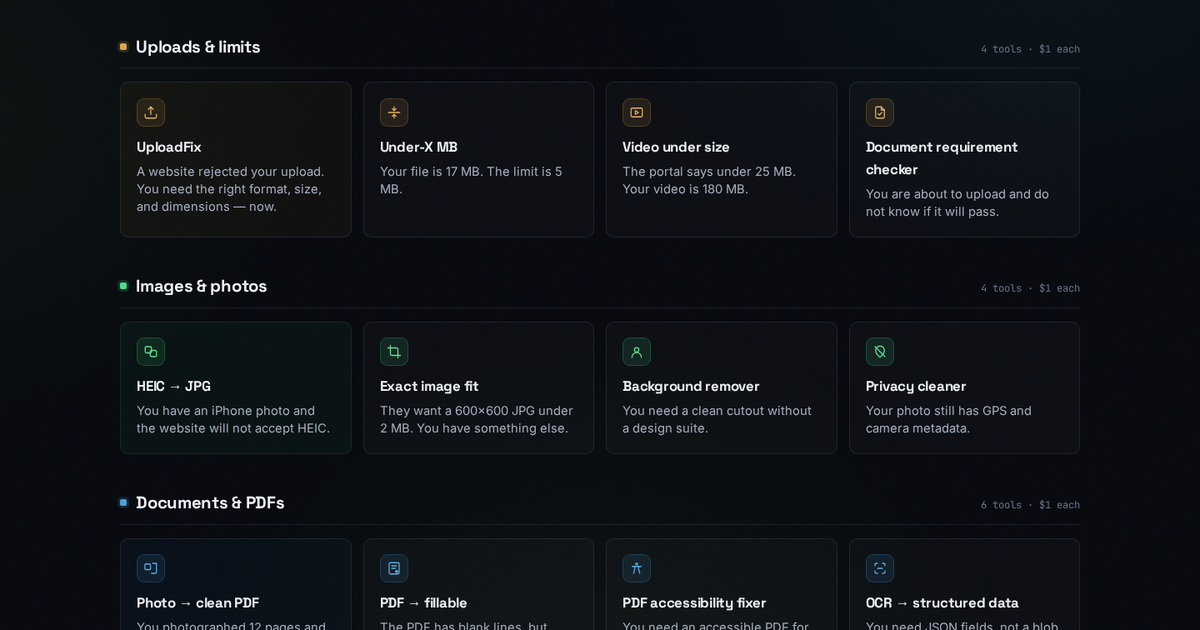
How to Convert HEIC to JPG When a Website Rejects Your iPhone Photo
Why HEIC uploads fail, what JPG actually fixes, and the fastest $1 conversion: no subscription, no account maze.
-
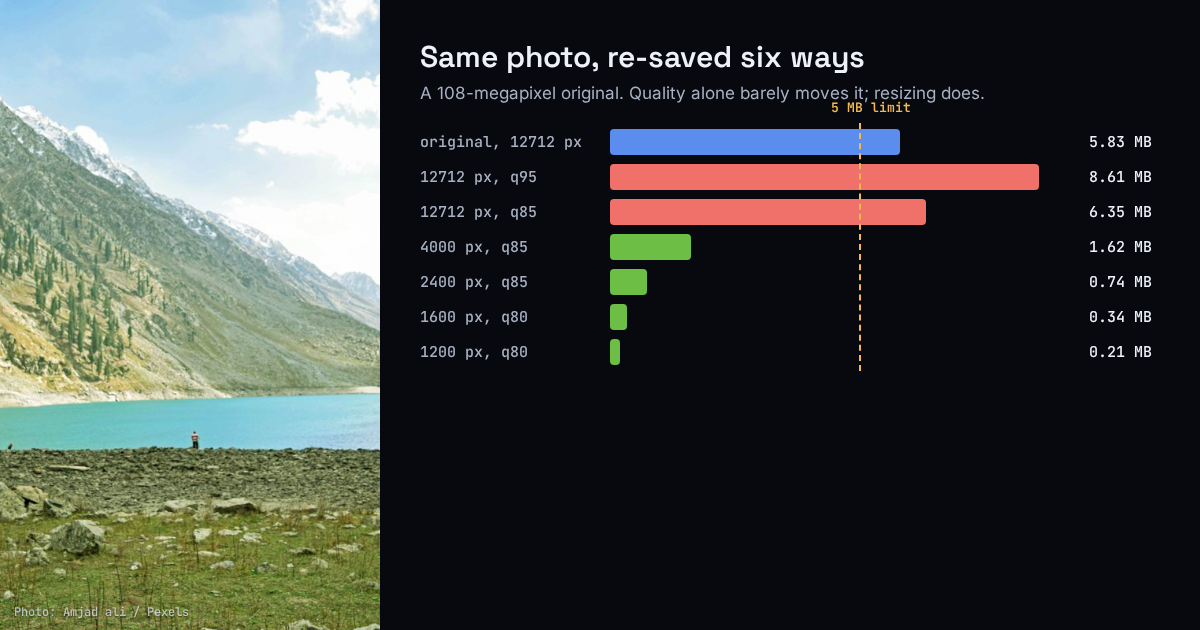
Your File Is Too Large: How to Get Under 5 MB Without Ruining It
The upload box says 5 MB. Your file says 17. How to compress under the limit, and a $1 tool that does the loop for you.
-
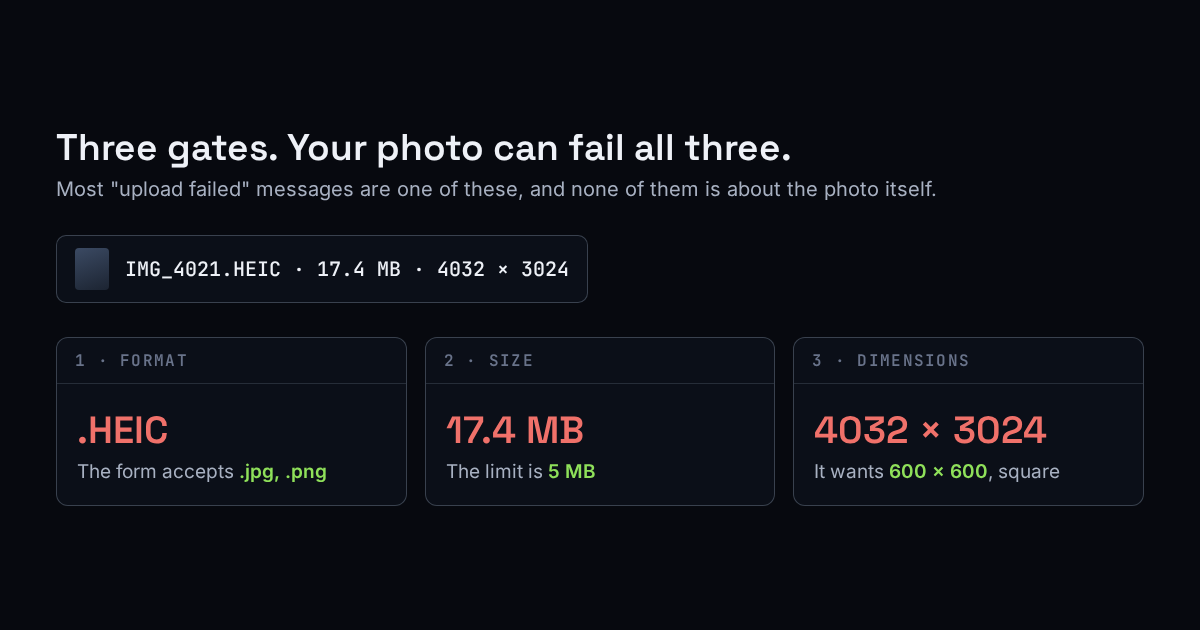
Why Was My File Upload Rejected? Format, Size, and Dimension Fixes
Useless error messages, three usual culprits, and one $1 fixer that targets DMV, passport, and generic upload rules.
-
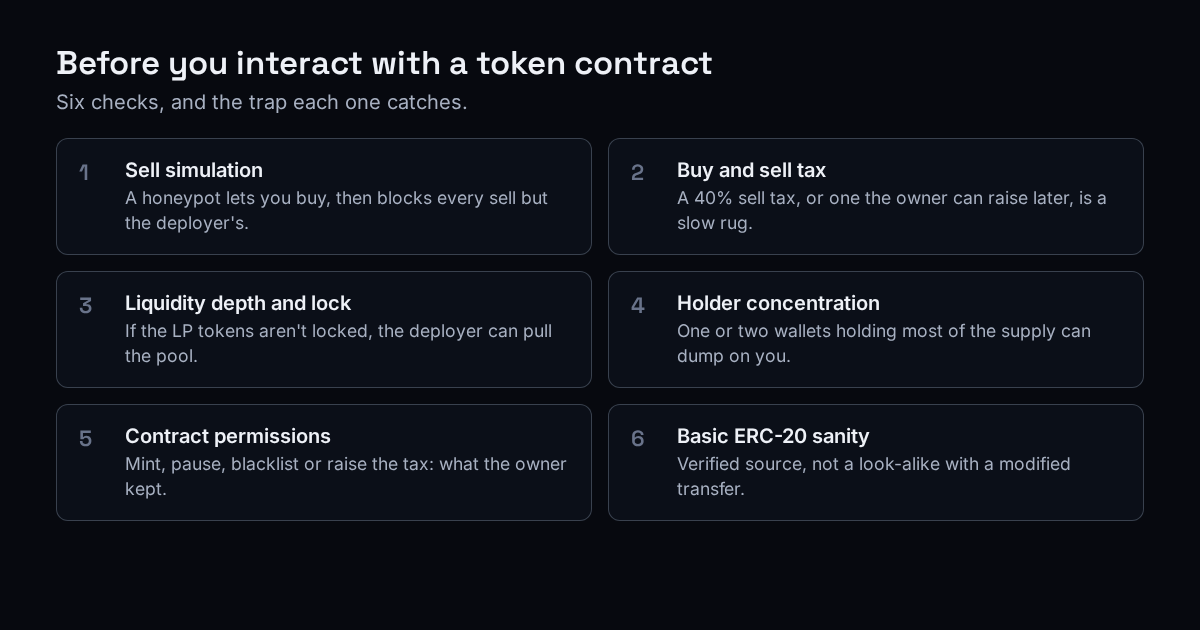
How to Check If a Smart Contract Is Safe Before You Interact
Honeypots, sell taxes, thin liquidity, whale wallets: what to check on Base, and a $1 risk scorecard.
-
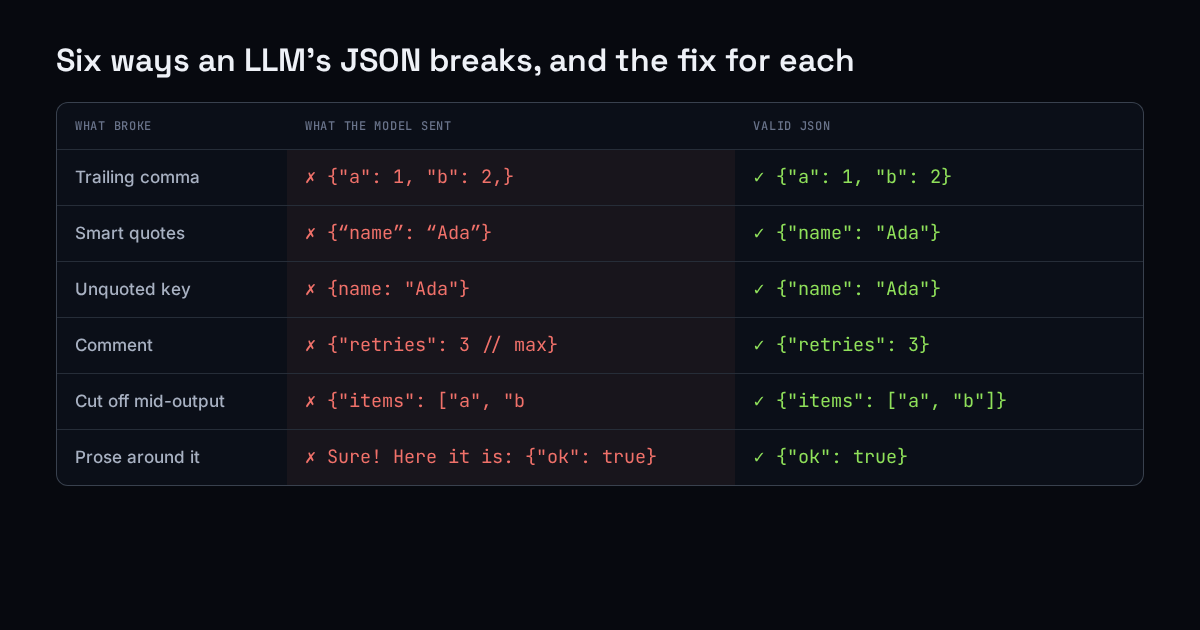
How to Fix Broken JSON (Especially the Kind LLMs Produce)
Trailing commas, smart quotes, truncated objects: repair paths for humans and agents, including a $1 API.
-
Why We Sell Micro-Utilities for $1 (and Speak HTTP 402 to Agents)
No free trial maze. Card checkout for people, x402 for agents, same endpoints. The logic behind the $1 tools catalog.
-
What Does It Cost to Build an App in 2026? An Honest Breakdown
The factors that move the price, realistic ranges, the ongoing costs nobody mentions, and how to spend less without building junk.
-
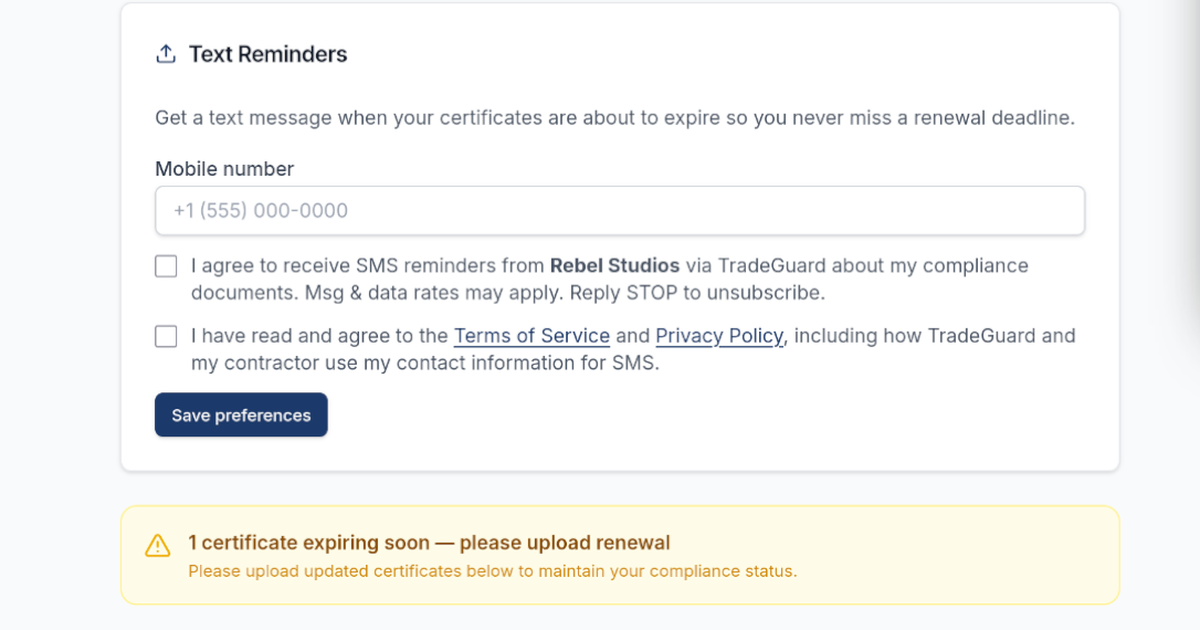
The Subcontractor Onboarding Checklist Every GC Should Steal
The documents to collect, the insurance and compliance to verify, and how to keep onboarding from bottlenecking your project start, before a sub sets foot on site.
-
Can Everybody Be Rich? The Barista Problem and the Automation Answer
Why handing everyone $10 million would collapse the economy overnight, and why automation is the only thing that could make universal abundance real.
-
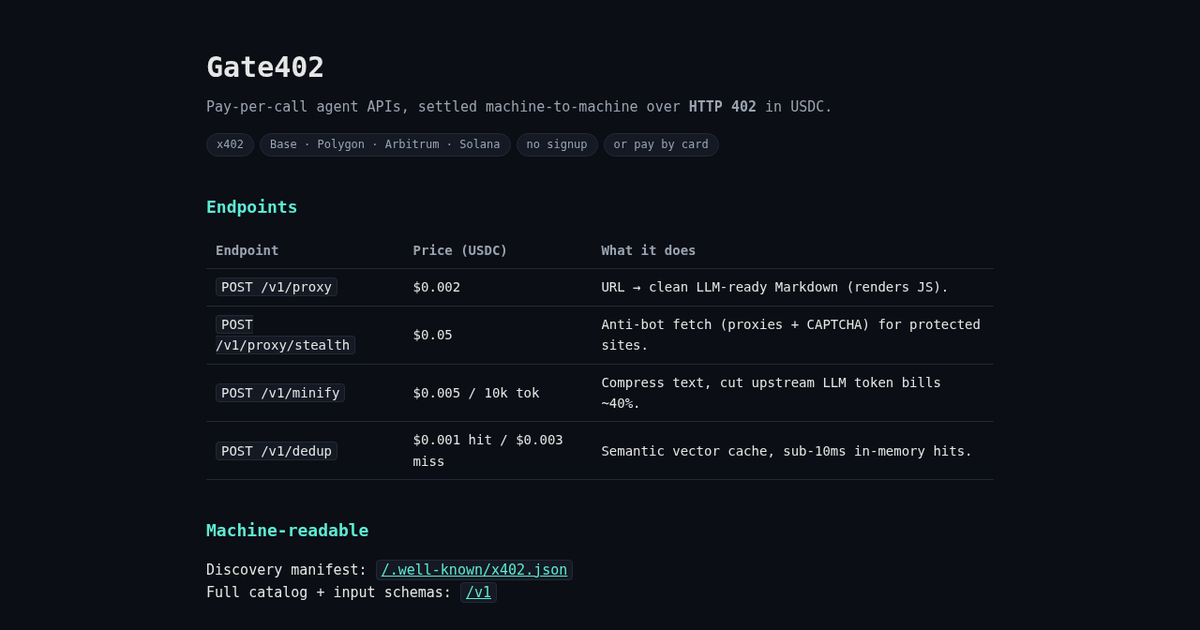
How to Monetize Your API for AI Agents: A Practical x402 Guide
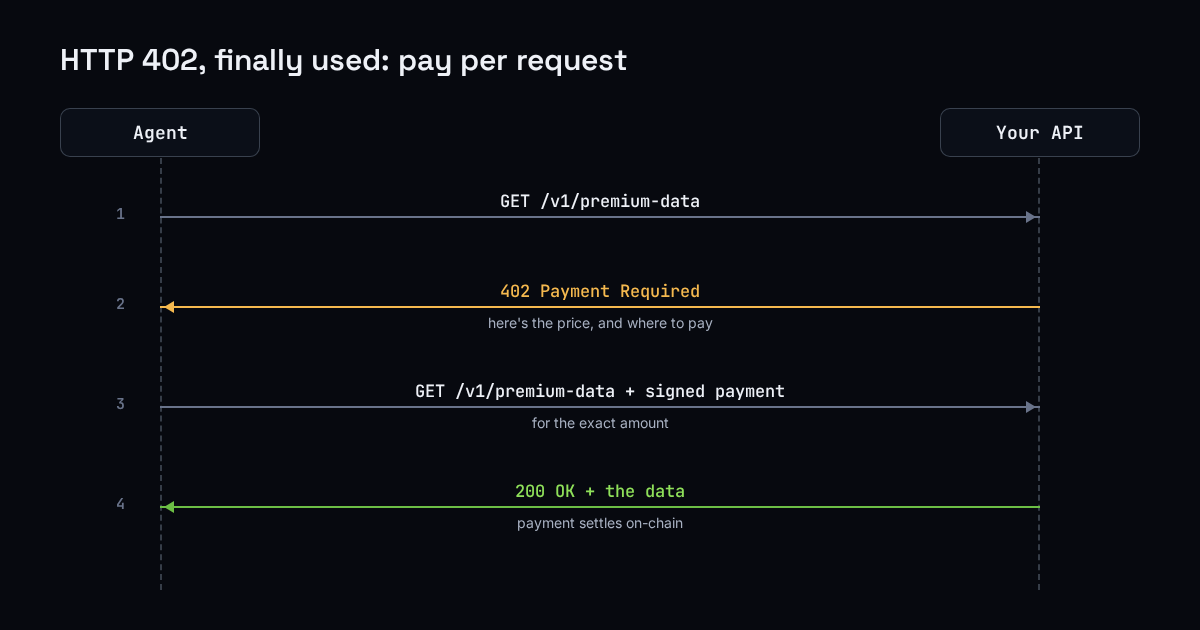
A developer’s guide to charging AI agents per call: the 402 handshake, what a paid endpoint returns, and the fastest path to a machine-payable API without building billing.
-
Additional Insured & Waiver of Subrogation: The COI Clauses That Actually Protect You
A certificate can look perfect and still leave a general contractor exposed. The two endorsements that decide who really pays when a subcontractor causes a loss, in plain English.
-
HTTP 402 Payment Required: The Status Code Powering AI Agent Payments
The code that sat unused in the web’s rulebook for 30 years is now how software pays software. How 402 and x402 let AI agents pay for any API, no signup, no keys.
-
The Spreadsheet Is Costing You: COI Tracking for Contractors
Tracking subcontractor Certificates of Insurance by hand quietly exposes general contractors to six-figure liability. What a COI protects, why manual tracking fails, and what to automate.
-
The Digital Lingua Franca: How AI Reshapes English Dominance and Model Bias
AI is marketed as multilingual, but its data, tokenizers, and concepts all lean English. How that bias works across three layers, and what it costs everyone else.
-
Give Claude and Cursor Live Web Access in One Line (Pay-Per-Call MCP)
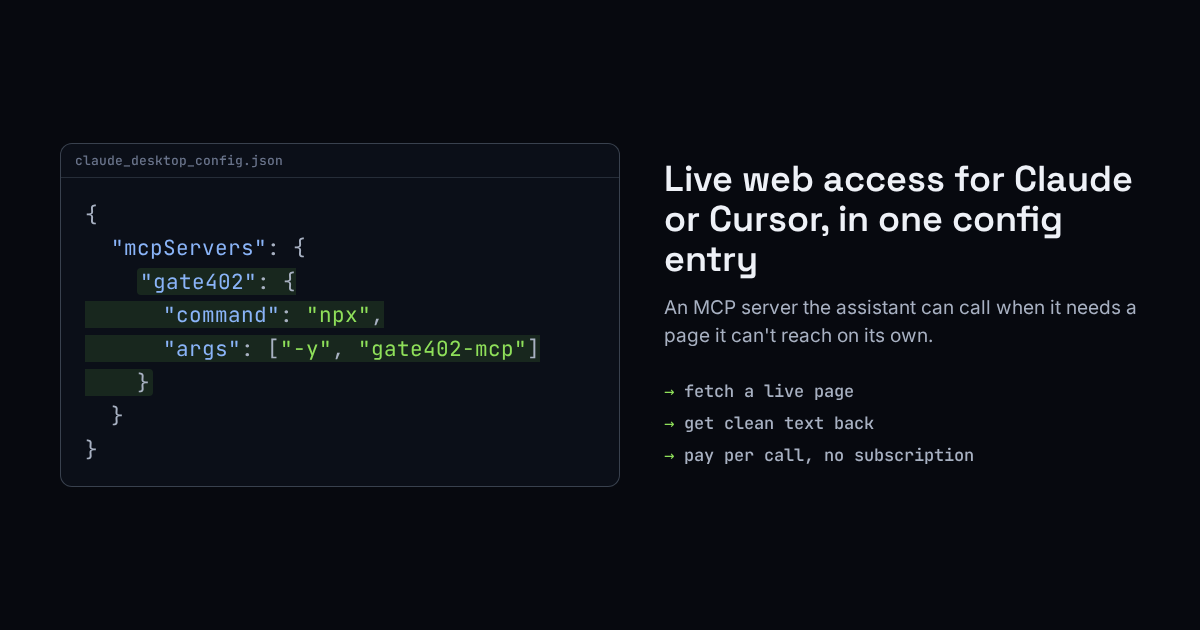
Your AI can reason brilliantly and read nothing on the live web. Here’s the one-line MCP fix that adds pay-per-call scraping and market data, no account, no subscription.
-
Getting AI Agents Past Cloudflare (Honestly)
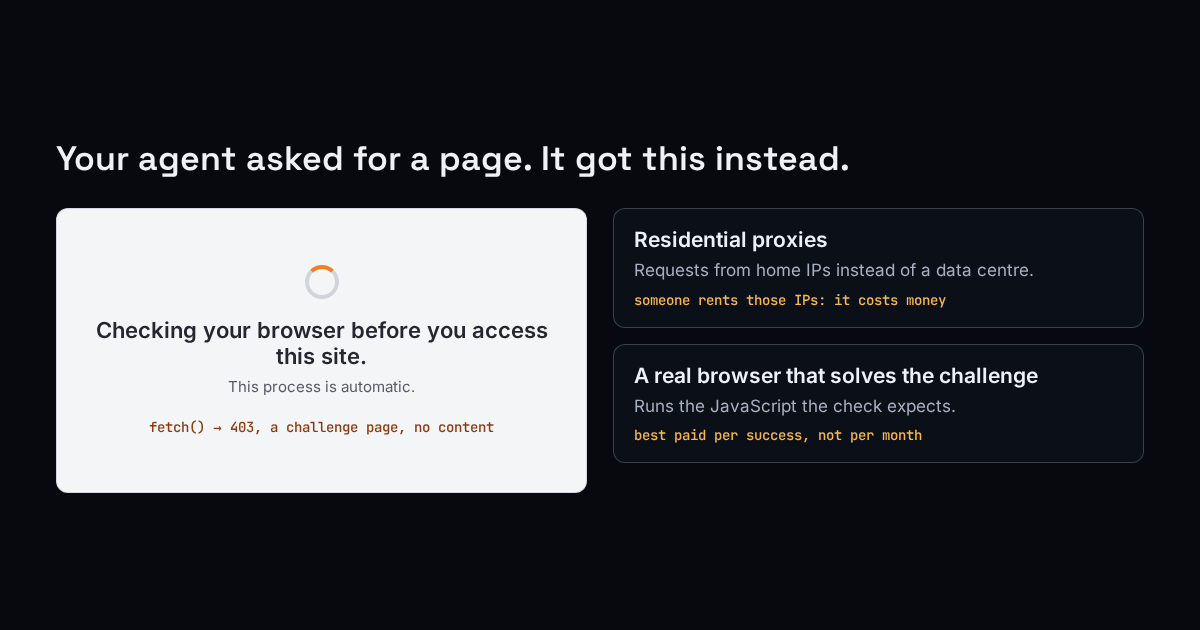
Why your scraper gets blocked, what residential-proxy unlockers actually do to get through, and how to pay for anti-bot fetches per success instead of per month.
-
The Architecture of Apology: Why Groups Take Decades to Admit What Individuals See in Minutes
Why corporations and societies take decades to reverse mistakes that individuals admit in minutes: cognitive dissonance, institutional inertia, and the cost of never saying “I was wrong.”
-
The “Noble Lie”: Can Disinformation Ever Be Used for Good?
From pool-dye myths to acne-toothbrush hoaxes: when a deliberate lie produces a positive outcome, and why the trust tax always comes due.
-
When Your AI Starts Spending Your Money: x402 and the Agentic Economy
A dormant HTTP error code is being revived so software can pay software. What the agentic economy means for you: the upside, and the real risks.
-
The Google Ecosystem Splinter: Why Developers Are Drowning in Separate Consoles
Cloud, Firebase, Play Console, AdMob, AdSense, Analytics: one app launch, seven dashboards, and config files holding it all together.
-
The Serious Business of Having Fun: Why Play is Your Best Performance Hack
Fun isn’t a guilty distraction. It’s a $210B+ industry, a biological necessity, and the fuel that makes high performance possible.
-
The Perfectionism Trap: Why Software Engineers Must Shift Their Metric of Success
Code can always be improved, but unshipped perfection is the ultimate failure. Learn to ask “Is it better than it was?” and ship progress over perfection.
-
The Scamdemic: How Modern Fraud is Eroding Trust and Killing Innovation
From pig butchering and AI voice clones to $442 billion in global losses, fraud is dissolving societal trust and strangling startup growth.
-
How to Build a Picture Messaging App
From Android Studio to Google Play: Kotlin, Jetpack Compose, Firebase Auth, Firestore, Cloud Storage, FCM, and CameraX, with the commands to build and ship your own.
-
How to Build a SaaS Platform
Next.js, Prisma, Turso, NextAuth, Stripe subscriptions, Claude AI integration, and Railway deployment, step by step with every command.
-
A Hybrid Mamba-2 Forecaster for On-Device Anomaly Detection
IoT network security with Vigilo (75% IoT-23 detection @ 1% FPR) and predictive maintenance on C-MAPSS (100% on single-condition subsets); ~1.3M params, CPU-only.
-
The Ghost in the Machine: True Randomness and the Case for Free Will
Large Language Models mimic human thought, but silicon is bound by determinism while quantum indeterminism leaves the human mind uniquely open to the future.
-
The Automation Trap: What the Great Depression Teaches Us About the AI Revolution
AI automates cognition, not muscle. If efficiency outpaces consumer demand, we risk repeating the overproduction crisis that fueled the Great Depression.
-
Beyond the Code: The Hidden Developer Superpowers Driving the AI Era
Syntax is being democratized, but the mindset of a software engineer (ambiguity, debugging, and continuous learning) has never been more valuable.
-
The Critical Importance of IoT Security: Why Every Connected Device Is a Potential Breach
The Internet of Things has transformed how we live and work, but this hyper-connected world comes with serious security risks. From smart thermostats to industrial sensors, every device is a potential entry point for attackers.